
How Does the Color Temperature of LED Streetlights Affect Night Driving?
Sep 23, 2026
Introduction
When driving on urban roads at night, the light and shadow changes of street lights directly affect the driver's sight. Some sections are illuminated by a soft, warm yellow light, while others are illuminated by an icy blue-white light. This difference in "cold and warm" light is called color temperature (Correlated Color Temperature, CCT) in engineering, and its unit is Kelvin (K).
Color temperature is not just about the aesthetics of the city night scene, it directly determines the driver's visual acuity, glare, fatigue, and reaction speed in emergencies. This article will provide an in-depth analysis of the substantial impact of LED street light color temperature on driving safety from the perspective of human vision mechanism and road safety.
The Essence of Color Temperature and Human Mesopic Vision
The lower the color temperature value (e.g., 2700K–3000K), the more yellow and "warm" the light appears; conversely, the higher the value (e.g., 5000K–6500K), the more blue and "cool" the light appears.
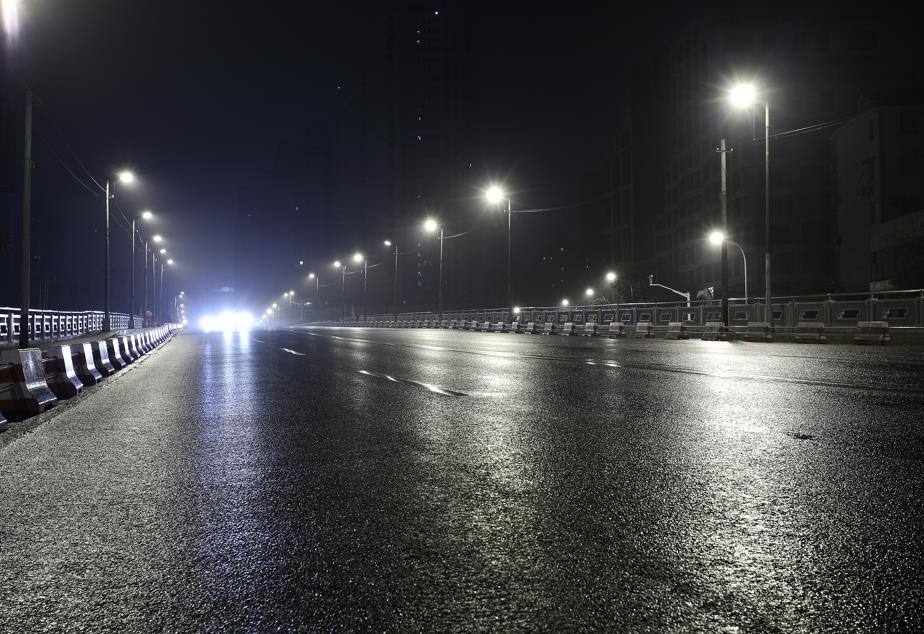
In low-light road environments at night, the human visual system operates in a state of mesopic vision. During this state, both rod cells (responsible for perceiving light and dark) and cone cells (responsible for perceiving color) function simultaneously. Cool-toned light (high color temperature) is rich in short-wavelength blue light, which effectively stimulates rod cells; this makes the environment appear "brighter" to the human eye in low-light conditions and enhances object contrast. However, the high scattering rate and physiological impact of blue light also entail significant side effects that cannot be overlooked.
Comparison of Safety Characteristics Across Different Color Temperature Ranges
High Color Temperature (Cool White/Blue Light: 5000K - 6500K)
Visual Acuity: On dry roads, high color temperatures provide superior visual contrast, making it easier for drivers to discern the outlines of distant obstacles.
Physiological Stimulation: The blue light component of the spectrum suppresses melatonin secretion in the brain, boosting driver alertness and delaying the onset of drowsiness in the short term.
Key Drawbacks:
- Severe Scattering and Glare: Short-wavelength blue light scatters significantly in the atmosphere. When encountering wet roads or reflections from oncoming headlights, high-color-temperature lighting is more likely to cause blinding glare, thereby reducing visual clarity.
- Accelerated Visual Fatigue: High contrast and intense light stimulation cause the pupils to remain constricted; prolonged driving easily leads to eye muscle fatigue and dryness, ultimately increasing safety risks during the later stages of the drive.
Low Color Temperature (Warm Yellow Light: 2700K - 3000K)
Penetration and performance in adverse weather: Warm-toned light has a longer wavelength; according to the principle of Rayleigh scattering, its scattering rate when interacting with fog, rain, or haze particles is significantly lower than that of blue light. In adverse weather conditions, low-color-temperature streetlights can substantially reduce "veiling reflection," thereby ensuring effective visibility of the road surface.
Visual comfort: The light is soft with low glare, minimizing intense irritation to the eyes.
Key Drawbacks:
- Lower contrast: On standard, dry, and clear roads, warm yellow light is slightly less effective than white light at rendering the outlines of dark objects (such as pedestrians wearing dark clothing), which can reduce the distance at which drivers can identify them.
- Induces relaxation: During long-distance drives, a warm-toned environment can cause the brain to enter a relaxed state, potentially increasing driver drowsiness.
Neutral Color Temperature (Natural White/Warm White: 3500K - 4000K)
Overall Performance: A neutral color temperature of around 4000K is currently recognized as the optimal balance for road lighting projects. It maintains sufficient contrast to ensure effective visibility in dark environments while keeping blue light scattering and glare within reasonable limits, thereby balancing visual comfort with the ability to discern details.
Direct Impact on Key Indicators of Driving Safety
1.Braking Reaction Time
When driving at night, a reaction time difference of just 100 milliseconds translates to a difference of several meters in braking distance. On standard road surfaces, mid-to-high color temperatures (4000K–5000K) help drivers spot pedestrians or obstacles suddenly appearing at the road's edge sooner, thereby shortening cognitive reaction time; however, in rainy or snowy conditions, the "veiling glare" effect caused by high color temperatures can actually prolong recognition time.
2. Spatial Perception and Road Surface Assessment
Identifying potholes, oil spills, or standing water relies on good color rendering and an appropriate color temperature. Lighting with excessively high color temperature or a low Color Rendering Index (CRI) flattens the visual texture of the road, causing drivers to lose the ability to perceive the three-dimensional contours and undulations of the road surface.
Application Trends and Design Standards for Roadway Lighting
The selection of road lighting color temperature should not follow a "one-size-fits-all" approach; instead, it requires precise matching based on road classification and local geographical and climatic conditions:
- Urban arterial roads and expressways: Characterized by high speeds and the potential for severe accident consequences, these roads should utilize LEDs with a neutral color temperature (3500K–4000K) to ensure adequate visual recognition distance and contrast.
- Rainy or foggy areas and intersections: In areas with complex climatic conditions or numerous potential conflict points, lower color temperatures (2700K–3000K) should be prioritized to leverage superior light penetration and reduced glare, thereby lowering accident rates.
- Residential roads and non-motorized transport networks: Warm-toned lighting (3000K or lower) is preferred to minimize light pollution's impact on residents' sleep cycles while creating a comfortable driving and riding environment.
Modern adaptive lighting systems can further optimize performance by sensing ambient humidity, traffic volume, and weather changes to dynamically adjust the light intensity and color temperature of LED streetlights, achieving maximum energy efficiency without compromising safety.
Product Recommendations
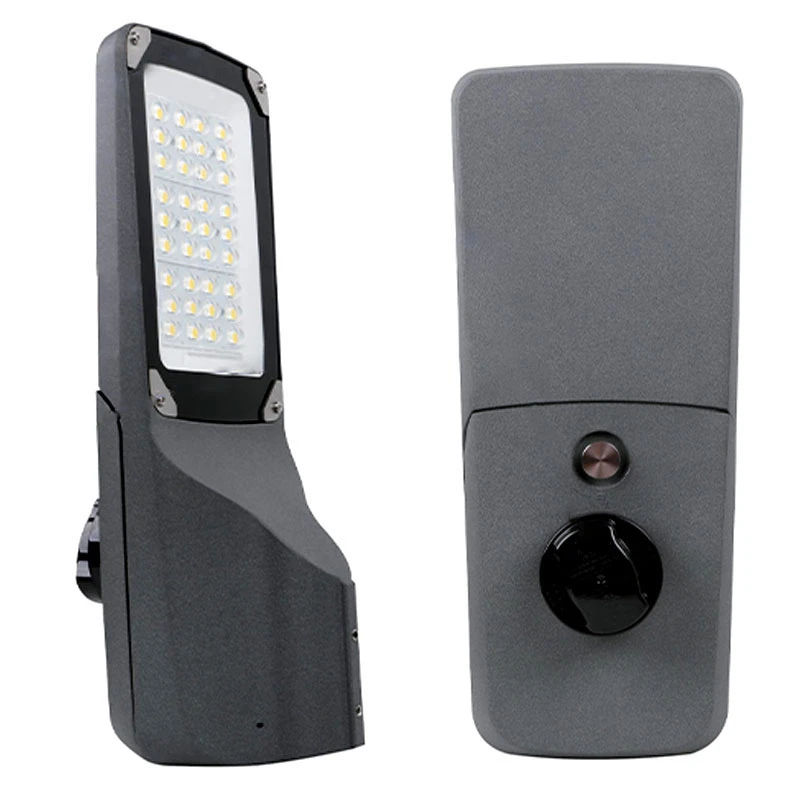
The SL05 waterproof LED street light features a minimalist, European-style integrated die-cast design that offers low wind resistance and exceptional resistance to vibration and typhoons. Constructed with 90% aluminum for superior heat dissipation, the fixture boasts an IP66 protection rating. It offers power options ranging from 40W to 150W with a luminous efficacy of 100–150 lm/W. Designed for practicality and cost-effectiveness, it supports tool-free housing access and modular maintenance, and allows for the integration of NEMA/ZHAGA smart sensing systems.
Frequently Asked Questions (FAQ)
Q1: Does a whiter and brighter LED streetlight mean safer night driving?
A: No. Cool white light with a color temperature above 5000K contains a high proportion of blue light; this scatters within the human eye, causing harsh glare and visual fatigue, which actually impairs a driver's ability to spot obstacles in dark areas of the road.
Q2: What is the optimal color temperature for LED streetlights used in night driving?
A: A range of 3000K–4000K (warm white to neutral white) is recommended. 4000K provides clear color rendering for road signs and lane markings, while 3000K offers a softer, glare-reducing light; together, they balance visual clarity and comfort.
Q3: How does streetlight color temperature affect visibility during rainy or foggy weather?
A: Warm light with a lower color temperature-around 3000K-offers superior penetration. White light scatters significantly upon contact with moisture, creating a "white wall effect" that obscures vision, whereas warm light effectively penetrates rain and fog while reducing reflected glare.
Q4: Why do smart city initiatives advocate for the use of "dual-color temperature" or "adjustable color temperature" streetlights?
A: To accommodate varying weather conditions. They maintain 4000K during clear weather to ensure high visibility and automatically switch to 3000K when rain or fog is detected to enhance light penetration, thereby ensuring driving safety in all weather conditions.
Conclusion
The impact of LED street light color temperature on driving safety involves a complex, multi-dimensional trade-off. High color temperatures offer clarity but sacrifice visual comfort and penetration capabilities in adverse weather; conversely, low color temperatures provide superior penetration and comfort but fall slightly short in terms of contrast on dry road surfaces.
A neutral color temperature of around 4000K represents the optimal compromise for current road lighting applications. Understanding these physical characteristics enables road planning authorities to design lighting schemes based on scientific principles, while also helping drivers form realistic expectations and adopt appropriate risk-prevention measures when navigating environments with varying color temperatures.