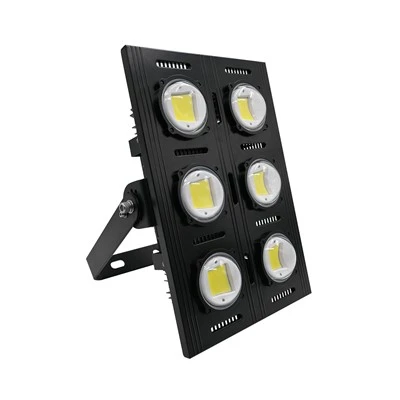

CRI in LED High Bays: Impact on Factory Production
Oct 23, 2026
Introduction
When planning industrial facility lighting or conducting retrofits, facility managers and buyers often focus heavily on power consumption (watts), luminous efficacy (lm/W), and floor lux levels. However, one critical performance metric is frequently overlooked: the Color Rendering Index (CRI or Ra).
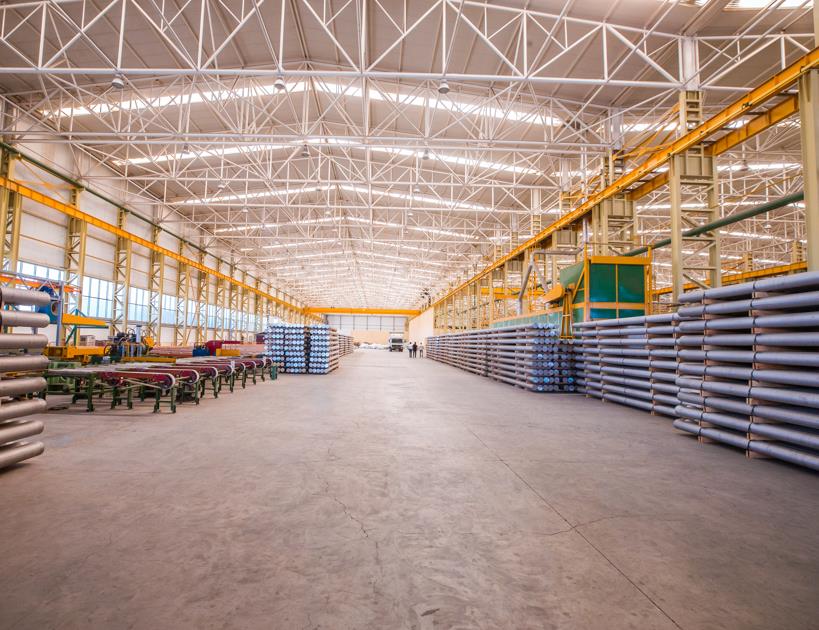
CRI measures a light source's ability to faithfully reveal the true colors of objects compared to natural daylight. Here is a deep dive into how the CRI of LED high bay lights directly impacts modern industrial manufacturing and operational success.
Four Key Ways CRI Directly Impacts Industrial Operations
Quality Control & Defect Detection
In industries such as electronics assembly, textile manufacturing, automotive production, and printing, low CRI causes severe color distortion. This makes it difficult for workers to distinguish subtle color variations, wiring color codes, or minor surface defects (like scratches, stains, and blemishes). High CRI LED high bays (Ra ≥ 80 or Ra ≥ 90) accurately restore true colors, significantly reducing defect escape rates and costly reworks.
Worker Safety & Accident Prevention
Industrial floors feature numerous safety warnings, color-coded pipelines (fire suppression, gas lines, high-voltage cables), and hazard markers. Poor color rendering can trigger visual misjudgments. Excellent color accuracy helps employees instantly recognize safety alerts and equipment statuses, minimizing workplace accidents caused by visual fatigue or color confusion.
Visual Fatigue & Productivity
Working under low-CRI or poorly rendered lighting forces human eyes to overcompensate, leading to eye strain, headaches, and decreased focus. A high-CRI, natural-like lighting environment enhances visual comfort, reduces fatigue, and naturally boosts overall productivity.
Precision Assembly Accuracy
For high-tolerance mechanical machining and precision instrument assembly, accurate color recognition and sharp contour definition are absolute prerequisites for error-free execution.
Which Industrial Applications Demand High CRI High Bay Lights?
- Electronics & Semiconductor Plants: Require precise identification of dense, micro-sized colored components and circuit board traces.
- Painting & Textile Dyeing Facilities: Demand uncompromising color fidelity to ensure product pass rates and client satisfaction.
- Precision Machining & Quality Inspection Hubs: Require true color clarity to guarantee component tolerances and surface integrity.
How to Choose the Right CRI for Your Industrial LED High Bay Project?
- General Warehousing & Rough Processing: Ra ≥ 80 is typically recommended to balance visual requirements with cost-efficiency.
- Precision Manufacturing, Electronics, & QC Stations: Ra ≥ 90 is strongly recommended to ensure zero color deviation and crystal-clear detail visibility.
- Balance Efficacy and CRI: Always balance luminous efficacy with high CRI requirements to ensure optimal overall light output without unnecessary energy penalties.
Product Recommendations
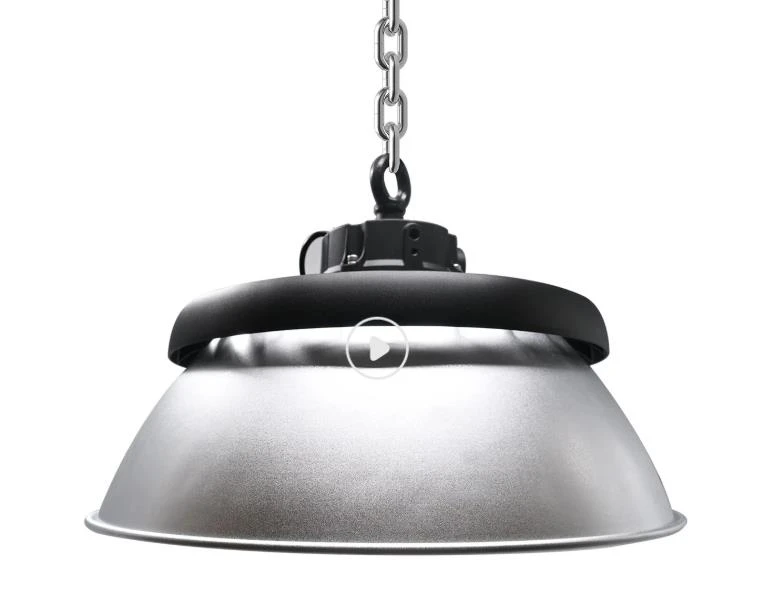
The HL06 Series UFO LED High Bay Light (available in 100W–240W with 150Lm/W efficacy) features a die-cast aluminum housing and a ventilated heat dissipation structure. It offers a selectable color rendering index of CRI ≥ 70/80/90. Built for durability, corrosion resistance, and long lifespan, it is ideal for factories, industrial sites, sports fields, and ports.
Frequently Asked Questions (FAQ)
Q1: How does the Color Rendering Index (CRI) of LED high bays directly impact factory quality control?
A: CRI measures light's ability to reveal true colors; high CRI (Ra ≥ 80/90) enables workers to accurately detect subtle surface flaws, color mismatches, and tiny circuit markings, significantly lowering defect escape rates and reducing costly product reworks.
Q2: How can low CRI high bay lighting compromise industrial workplace safety?
A: Low CRI causes color distortion, making it difficult for operators to correctly recognize color-coded utility pipes, warning labels, and equipment status lights; high CRI lighting restores visual sharpness, preventing visual misjudgments and workplace accidents.
Q3: In what way does CRI influence worker productivity on the production floor?
A: Working under low-CRI or color-shifted lighting forces human eyes to overcompensate, leading to rapid eye fatigue, headaches, and lower concentration; a high-CRI lighting environment minimizes eye strain and preserves accuracy during extended precision tasks to boost productivity.
Q4: What is the recommended CRI rating for different industrial high bay applications?
A: Standard warehouses and general manufacturing usually require Ra ≥ 80 for balanced efficiency and clarity, while precision assembly, electronics, printing, and QC inspection bays demand Ra ≥ 90 to ensure zero color deviation and crystal-clear detail.
Conclusion
The color rendering index of an LED high bay light is much more than a technical specification-it is an invisible productivity driver that safeguards product quality, protects worker vision, and enhances overall factory profitability. When designing your next industrial lighting project, integrate CRI into your core procurement standards and consult with professional lighting partners to secure optimal lighting performance.