


LED Sports Flood Lights--Intellectual Control and Tournament Mode
Dec 24, 2025
Introduction
Background
The sports industry keeps heading in this direction of getting more global, professional, and smarter in how it operates. Lighting for events these days is not just about flipping a switch anymore. Things like diversity and accuracy in lights are what people expect now, and that sort of points to how crucial a solid lighting setup is for any major competition.
I think from the events themselves, having stable and consistent lighting really impacts how athletes perform out there. It gives a fair shot to everyone involved. Sports vary a lot, so the needs for light intensity, color temperature, and keeping glare down are pretty strict in each one. Those little differences in setup could actually tip the scales in a match or race. The LED Sports Flood Lights has to match up exactly with whatever the sport demands, no shortcuts.
Broadcasting side pushes it even harder these days. With all the 4K and 8K tech taking over for high definition, viewers are picky about how sharp everything looks. Venues need lights that flicker almost not at all, and reproduce colors just right. That way, the live feed comes through clear and real, without any weird distortions. Global audiences get that immersive feel from home, and it bumps up the whole events brand and reach too.
On the operations end, aiming for carbon neutrality makes saving energy a big deal right away.The LED Sports Flood Lights take up most of the venues power, so managing that is key to cutting costs overall. Switching over to energy saving LEDs along with some intelligent controls helps a ton. Electricity bills drop big time, and the gear holds up longer. Its kind of a double win, both for the wallet and the environment, and yeah, it brings in some profit on top.
Fair play through lighting, top notch broadcasts, and running things energy efficient, those are the main forces making LED sports lightsevolve quick. They are getting more precise and intelligent all the time. As technology keeps updating, these systems will stop being just basic setups. Instead, they turn into real helpers for better event quality, and making venues work smoother overall. It feels like that shift is still unfolding, not totally settled yet.
Sore point
The control mode of traditional LED stadium floodlights is really outdated. It can't keep up with the diverse demands of modern events at all! On one hand, the old methods all use fixed parameters and can't adjust dynamically according to the scene-using the same set of lighting settings for both training and formal competitions either leads to a huge waste of electricity during training or fails to meet the professional lighting standards during competitions.
On the other hand, the operation is also extremely cumbersome. You have to manually adjust the parameters for each lamp one by one, which not only consumes a lot of manpower but also makes it difficult to ensure the consistency of parameters across multiple lamps, with collaborative control ability almost zero.
Not to mention large-scale scenarios like the opening and closing ceremonies of major events that require linking thousands of lamps. The traditional method simply can't achieve synchronous responses, let alone create lighting effects that fit the atmosphere of the event. These pain points not only restrict the performance of LED sports floodlights but also become the biggest stumbling block to the intelligent upgrade of venues.
Solution

In this time period things are getting really advanced with LED sports floodlights. The way intelligent control mixes with tournament mode seems like the main push to move past old ways and update the technology. I think its not just adding features on top of each other. It starts from what the whole competition needs and builds this smart lighting setup. Kind of like scene adaptation timing linkage and collaborative control all working together.
LED sports floodlights used to be basic for lighting up places. Now they turn into something much bigger for making sure events run smooth and venues work well. With this integration it matches the lighting just right for different parts of the competition or what broadcasting requires. That helps keep things fair in the games and makes the video quality good. Plus it saves energy through better management cuts down on complicated steps and boosts how efficient everything is. It fits what the modern sports world wants.
The way this intelligent control and tournament mode come together happens mostly with three main parts. First there's the multi scenario preset module. Second is the dynamic dimming module. Third the wireless networking module uses protocols like DMX512 and Art Net to control thousands of lights all at once in sync.
Later on these three modules get more detail about how they work technically what scenarios they fit and their real value. The whole integration brings some comprehensive changes to LED sports floodlights I guess.
Core Function 1: Multi-scenario Pre-settings
Intelligent LED sports lighting systems have this multi-scenario preset thing, which seems like a really key skill for them. I mean, its super practical in how it handles different situations.
Professional sports places do all sorts of stuff, like daily training or official games, and then TV broadcasts, or even when the venues are just sitting empty. Each one needs its own kind of lighting setup, you know. For training, they keep the light moderate to save on energy, which makes sense. Competitions have to meet those big standards from FIFA or FIBA, so the lighting is uniform and there's not much glare. Broadcasting is trickier, because you need to control the flicker and colors right, to make sure every image looks clear and real on TV.
The intelligent control lets staff set up all the parameters ahead of time for these different modes. Then, with one tap, it switches over smoothly to training or competition or broadcasting, or even that energy-saving one. It feels like no more messing with each lamp individually, which probably saves a ton of time. Operational efficiency goes up, and the lighting stays stable and precise for whatever is happening at the venue.
Core Function 2: Dynamic Dimming
Dynamic dimming seems like one of the key parts in these LED sports floodlights, especially how it ties into the timing for events. It helps manage lighting in a way that changes based on whats happening, kind of flexible like that. Take track and field, for instance, its got different phases where lighting needs vary a lot. During warm up, basic lights are enough so athletes can just get used to the space without too much glare. Then the main competition hits, and you need really bright, even illumination to make sure everything is fair and judges can see clearly. For the awards at the end, adjusting the warmth and dimness creates this more ceremonial feel, sort of solemn but not cold.
The floodlights use these precise drivers and sensors that pick up on the timing signals, automatically tweaking the brightness at set points. Its smooth, no flickering that bothers the eyes, and it doesn't mess with what athletes see or the TV broadcasts. Also, it factors in outside light from the sun or whatever, saving energy but still keeping the effect good.
Core Function 3: Wireless Networking
Wireless networking changes everything for big stadium setups, really. In places with thousands of these lights to cover the whole field, old wired systems get messy with all the cables, plus maintenance is a hassle and adding more is tough. Now with protocols like DMX512 or Art-Net, the lights connect wirelessly, letting you control them all from one spot and keep them synced up easily.
DMX512 is solid for that, stable signals even with so many lights running, so brightness stays the same across the board, no inconsistencies. Art-Net uses Ethernet, reaches far and handles interference well, which fits huge venues perfectly. For something like an opening ceremony, this setup links with sound and visuals to do gradients or moving light patterns, making the whole experience more immersive.
Maintenance gets simpler too, you can monitor remotely and get alerts for issues, cutting down on the work for running the place. It feels like a big upgrade.
FAQs
Q1: Which requirements can the multi-scenario preset be adapted to?
A1: It covers four scenarios: training (150-300 lx), competition (in line with FIFA/FIBA standards), broadcasting (strict control of SFI/TLCI), and energy saving (reducing energy consumption by 30%+). It can be switched with one click.
Q2: How does dynamic dimming adapt to track and field events?
A2: It is linked to the timing system, adjusting the brightness during warm-up, competition (750-2000 lx), and awarding phases. There is no flicker and it is energy-efficient.
Q3: What are the differences between DMX512 and Art-Net protocols?
A3: DMX512 is suitable for small and medium-sized venues and is stable and precise; Art-Net is suitable for large venues and has a long transmission distance and strong anti-interference ability.
Q4: What are the future development directions?
A4: The core development directions for the future include three major integrations and expansions.
Firstly, integrating with the Internet of Things and big data to achieve remote monitoring, fault warning, and life expectancy prediction for lighting equipment.
Secondly, combining with rhythmic light technology to precisely meet the visual needs of different sports events and different groups of people.
Thirdly, expanding technical adaptability to enhance the application stability in special environments such as low temperatures, high humidity, and high salt spray, and contribute to the construction of green intelligent venues and the digital transformation of the sports industry.
Final thoughts
Intelligent control stuff like those multi-scenario presets and dynamic dimming, plus wireless networking, has really changed how lighting works in sports venues. It seems like they handle the different needs for all kinds of events pretty well.
And they make operations more efficient too, you know. That part aligns with making venues greener and smarter, through saving energy and cutting down emissions.
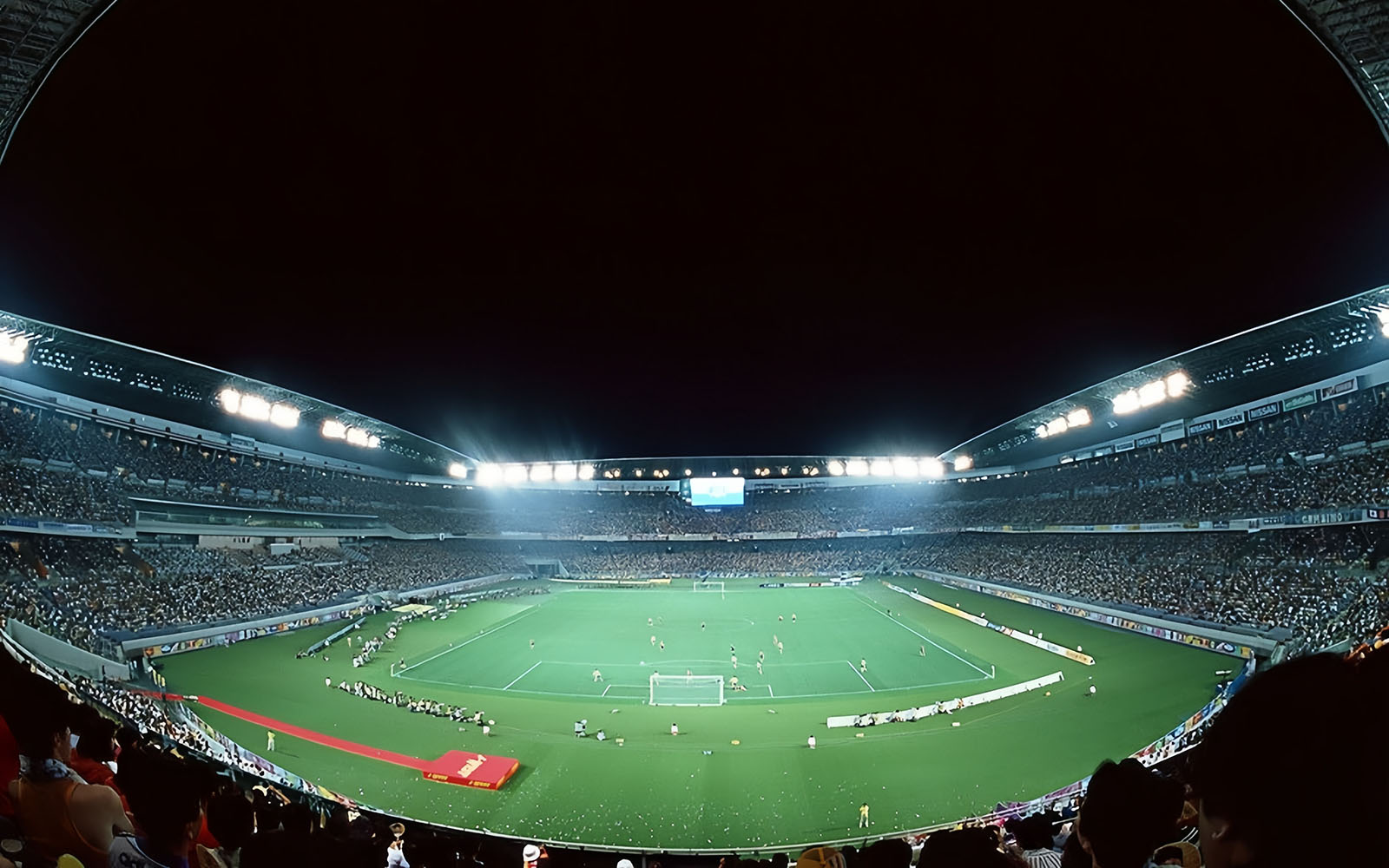
As IoT and big data keep getting better, the LED sports flood lights for sports are going to connect more with those technologies. I think that will bring even smarter lighting options to sports around the world, more humanized ones anyway.


