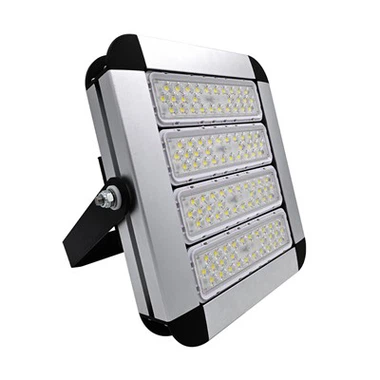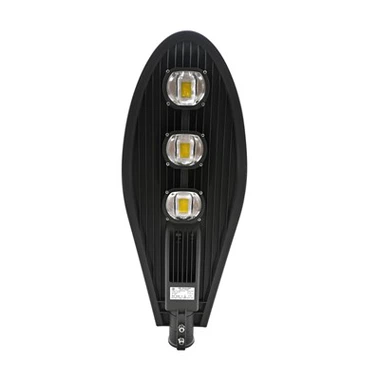

How Bright Is a 200W LED Light?
Dec 26, 2025
Introduction
Let's be honest-when someone sees "200W," the first thought is: Wow, that must be super bright. And yeah, it is. But brightness isn't just about watts anymore. With LEDs, lumens matter more than watts, and this is where confusion start happening.
A 200W LED light is commonly used in:
- Warehouses
- Outdoor stadiums
- Parking lots
- Factories
- High-ceiling commercial buildings
But how bright is it compared to older lights? And is it too much for some spaces? Let's break it down slowly.

What Does "Brightness" Actually Mean?
Brightness is measured in lumens, not watts. Watts only tell you how much power is being consumed, not how much light is coming out.
Here's a simple rule (not perfect, but helpful):
More lumens = more brightness
Most modern 200W LED lights produce between 26,000 to 32,000 lumens, depending on:
- LED chip quality
- Driver efficiency
- Optical design
- Brand (cheap vs premium)
Typical Lumen Output of a 200W LED Light
|
Light Type |
Average Lumens |
|
26,000 – 32,000 lm |
|
|
400W Metal Halide |
~20,000 lm |
|
1000W Incandescent |
~16,000 lm |
So yeah… a 200W LED light can outperform older high-watt lights easily.
How Bright Is a 200W LED Light in Real Life?
Example 1: Warehouse Lighting
A logistics warehouse in Shenzhen replaced 400W metal halide lamps with 200W LED high bay lights.
Before:
Dark corners
Flickering lights
High electricity bill
After:
Brighter space (about 30% more visible)
Energy saving around 50%
Workers reported less eye strain (this part surprised even the manager)
Measured illumination increased from 180 lux to 280 lux, using the same layout. That's a big jump.
Example 2: Outdoor Parking Lot
In a parking lot project in Texas, 200W LED flood lights were installed at 8-meter poles.
Coverage area per light: ~300–350 m²
Average brightness: 50–70 lux, which is more than enough for safety
Compared to previous 600W HPS lights, power usage dropped by 66%
And yes, security cameras worked better too. Clearer footage, less shadows.
Comparing a 200W LED Light to Other Lights
LED vs Traditional Lighting
|
Light Type |
Equivalent Brightness |
|
200W LED light |
≈ 400W–500W Metal Halide |
|
200W LED light |
≈ 600W HPS |
|
200W LED light |
≈ 1000W Halogen |
So if you're switching from old tech, a 200W LED light often feels shockingly bright at first.
Some users even complain:
"It's too bright… feels like daylight at night."
Which, honestly, is kind of the point.
Is a 200W LED Light Too Bright for Indoor Use?
Short answer: sometimes yes, sometimes no.
It depends on:
- Ceiling height
- Beam angle
- Mounting distance
- Purpose of the space
- Indoor Scenarios That Work Well
- Factories with 8–12m ceiling
- Large gyms
- Aircraft hangars
- Exhibition halls
- Indoor Scenarios Where It's Too Much
- Small workshops
- Retail stores with low ceiling
- Offices
In a 4-meter ceiling workshop, a 200W LED light can create glare, shadows, and discomfort if not designed properly.
Beam Angle Matters
Two 200W LED lights can feel completely different.
Why? Beam angle.
- 60° beam → intense, focused brightness
- 90° beam → balanced spread
- 120° beam → wide, softer light
A 200W LED with 60° beam can look blinding, while the same wattage at 120° feels comfortable.
So yeah, wattage alone doesn't tell the full story.
Energy Efficiency: Bright But Smart
A quality 200W LED light typically has an efficacy of:
130–160 lumens per watt
That's insanely efficient compared to:
- Incandescent: ~15 lm/W
- Halogen: ~20 lm/W
- Metal Halide: ~80 lm/W
Over a year, one 200W LED running 10 hours/day can save:
700–900 kWh compared to traditional systems
That's real money, not marketing fluff.
Real Case Study: Factory Upgrade
A medium-size factory in Vietnam upgraded 50 units of metal halide lights.
Before:
400W MH × 50 = 20,000W
Monthly electricity cost: ~$1,200
After:
200W LED light × 50 = 10,000W
Monthly cost: ~$620
Savings: ~$580/month
Payback period: ~14 months
And the factory manager said something funny:
"Workers stop complaining about headaches. I didn't expect that."
Lighting affects people more than we realize.
How Long Does a 200W LED Light Last?
Most quality 200W LED lights are rated:
50,000 to 100,000 hours
That's:
10+ years at 12 hours/day
Minimal maintenance
No frequent bulb replacing
Compare that to metal halide, which loses brightness fast after 2–3 years.
Common Myths About 200W LED Lights
❌ Myth 1: Higher watts always mean brighter
Nope. Lumens and optics matter more.
❌ Myth 2: 200W LED is only for outdoors
Not true. Many indoor high bays use it daily.
❌ Myth 3: LEDs don't feel "warm"
Color temperature fixes that. 3000K, 4000K, 5000K-all options exist.
When Should You Choose a 200W LED Light?
Choose it if:
- You need serious brightness
- Ceiling height is above 6 meters
- Safety and visibility are critical
- You want long-term energy savings
Avoid it if:
- Space is small
- Ceiling is low
- You don't want glare issues
Helpful External Resources
U.S. Department of Energy – LED Basics
https://www.energy.gov/energysaver/led-lighting
Illuminating Engineering Society (IES)
https://www.ies.org
LED Lumen vs Watt Guide
https://www.lumens.com/the-edit/the-guides/watts-to-lumens/
FAQs
Q1: How many lumens is a 200W LED light?
A: Usually between 26,000 and 32,000 lumens, depending on quality.
Q2: Can a 200W LED replace a 400W metal halide?
A: Yes, and often it's even brighter.
Q3: Is a 200W LED light safe for eyes?
A: Yes, if properly designed and installed. Bad optics cause problems, not wattage.
Q4: How big an area can it light?
A: Roughly 300–500 square meters, depending on mounting height and beam angle.
Final Thoughts
So, how bright is a 200W LED light? Bright enough to replace old monsters, light up huge spaces, and still save energy while doing it. But brightness without planning can backfire, so design always matter.
If used right, a 200W LED light is not just bright-it's smart, efficient, and honestly kind of impressive.
If you're thinking about switching, don't just ask "how many watts?"
Ask where, how high, and for what purpose.