


Why a Leading LED Street Lights Manufacturer is the Key to Smart Urban Infrastructure
May 13, 2026
Introduction: The Shift Toward Intelligent Urban Illumination
Public lighting is no longer just about visibility; it is a cornerstone of urban safety, energy policy, and "Smart City" initiatives. As municipal budgets tighten and carbon neutrality targets loom, traditional High-Pressure Sodium (HPS) and Metal Halide (MH) lamps are rapidly becoming relics of the past. For the LED Street Lights Manufacturer, the focus has shifted from merely producing bulbs to engineering comprehensive lighting ecosystems that enhance night-time security while drastically reducing environmental impact.
Core Logic: How LED and Solar Technology Outperform Legacy Lighting
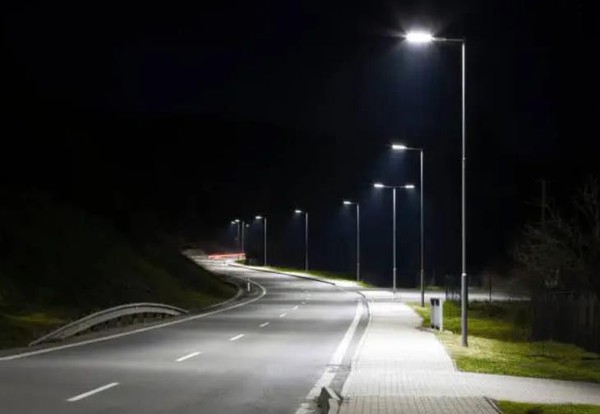
The transition to modern street lighting is driven by a fundamental shift in efficiency and control. Unlike legacy HPS systems that rely on gas discharge and require significant "warm-up" periods, modern Led Street Light Outdoor Waterproof fixtures utilize semiconductor technology to provide instantaneous, directional light.
- Photometric Precision: LEDs eliminate "sky glow" by directing light exactly where it's needed-the pavement-rather than wasting energy illuminating the sky or bedroom windows.
- Autonomous Power: For off-grid or remote areas, a Solar Street Light with Battery and Panel offers a self-sustaining solution. These systems harvest energy during the day to power high-output LEDs through the night, eliminating the need for expensive underground cabling and trenching.
- Integration & Modularity: The latest All-in-One Integrated Solar Street Light designs combine the panel, battery, and controller into a single sleek housing, reducing wind resistance and simplifying the installation process to a "plug-and-play" experience.
Operational Advantages: Beyond Just Brightness
Upgrading to professional-grade lighting offers more than just lower utility bills; it fundamentally changes how cities are managed.
- Extreme Durability: Traditional lamps often fail within 15,000 hours. In contrast, premium LED fixtures are rated for upwards of 50,000 to 100,000 hours, virtually eliminating the need for frequent, high-altitude maintenance trips.
- Smart Sensing: Integrated photocells and motion sensors dim lights during low-traffic hours and brighten instantly when a pedestrian or vehicle is detected, maximizing safety while minimizing energy waste.
- Superior Color Rendering: With a high Color Rendering Index (CRI), LEDs allow drivers to see colors and contrasts more accurately, significantly improving reaction times at intersections and crosswalks.
The Economic Case: ROI and Sustainability
While the initial investment for LED and solar solutions is higher than for traditional bulbs, the payback period is remarkably short-typically 2 to 4 years. By reducing energy consumption by over 50% and maintenance costs by nearly 70%, municipalities can reallocate those funds to other critical public services. Furthermore, switching to LED is the single most effective way for a city to lower its carbon footprint overnight.
FAQs
Q1: How much energy do LED street lights save compared to traditional HPS lamps?
A: Generally, LED street lights consume 50% to 70% less energy than High-Pressure Sodium (HPS) lamps while providing better light quality and visibility.
Q2: Are solar street lights reliable in regions with limited sunlight or cold winters?
A: Yes. Modern solar systems use high-capacity lithium batteries and efficient MPPT controllers that can maintain lighting for 3–5 consecutive rainy days and operate in temperatures as low as -40°C.
Q3: What is the typical lifespan of a professional LED street light?
A: A high-quality LED fixture typically lasts over 10 years (50,000+ hours) with minimal lumen depreciation, which is roughly 5 times longer than legacy lighting technologies.
Q4: Do LED street lights contribute to light pollution?
A: When properly designed with precision optics and "cutoff" shielding, LEDs actually reduce light pollution by focusing light downward and preventing spill-over into the atmosphere or residential properties.
Final Thoughts
The evolution of street lighting is a journey toward smarter, safer, and more sustainable communities. Whether on a highway or in a residential park, the right lighting strategy can transform the nighttime landscape.
Product Spotlight: The SL20 Series Solution
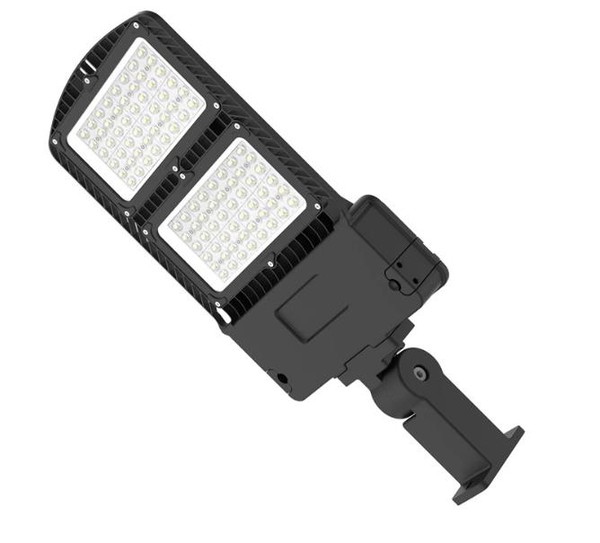
If you're looking for peak performance, the SL20 Model is the ultimate solution. Boasting a 170 Lm/W efficiency and IP66-rated DriverBox, it features a modular design with five versatile bracket types. This professional-grade fixture delivers stable performance and a service life exceeding 50,000 hours, making it perfectly suited to any urban lighting challenge.


