
SMD vs COB LED Technology: What Are Their Differences?
May 18, 2026
Introduction
The Urgency of Green Lighting in the Carbon Neutrality Era
As global industries accelerate their journey toward carbon neutrality, factories and logistics hubs are under increasing pressure to slash greenhouse gas emissions. One of the most effective strategies for immediate impact is the "Green Lighting Transformation", which replaces outdated high-intensity discharge (HID) lamps with high-efficiency LED systems.
However, achieving true sustainability isn't just about switching to LED. It is about understanding the core technology driving the performance. LED efficiency is primarily dictated by its packaging, that the way light-emitting chips are mounted, wired, and cooled. Whether you choose SMD (Surface-Mounted Device) or COB (Chip-on-Board) technology will directly influence your facility's luminous efficacy, beam precision, and overall life-cycle environmental impact.
Core Logic: How LED Packaging Technologies Define Efficiency
To optimize a lighting layout, we must first define the two industry-standard packaging methods:
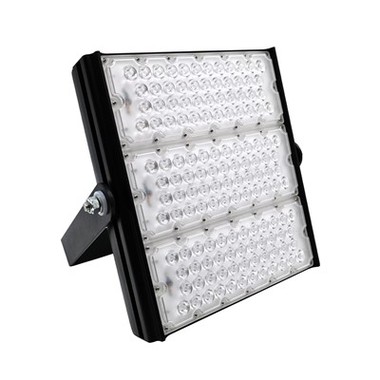
1. SMD (Surface-Mounted Device) SMD is the most versatile and mature technology on the market. In this setup, individual LED chips are encapsulated in discrete housings and soldered onto a Printed Circuit Board (PCB). As a leading LED Flood Lights Manufacturer, we utilize SMDs for their modularity and ability to create a perfectly uniform "point source" array.
2. COB (Chip-on-Board) COB represents a higher degree of integration. Multiple bare LED chips are bonded directly to a high-thermal-conductivity substrate, forming a single, continuous light-emitting surface. This results in an incredibly intense, concentrated output, making the COB LED flood light the preferred choice for high-altitude and long-distance illumination.
Technical Breakdown: SMD vs. COB-The Core Differences
The distinction between these two lies in their structural density. SMD LEDs are spread out, allowing for superior heat dissipation across the board. COB LEDs, however, offer much higher lumen density. In a Led Floodlight Dimmable configuration, COB modules provide a more streamlined electrical design, whereas SMD arrays offer granular control over light distribution patterns.
Operational Advantages: Light Quality, Thermal Management, and Cost
1. Light Quality and Visual Precision
An SMD Flood Light is ideal for wide-angle diffusion, providing soft, even light for general warehouses. Conversely, COB technology eliminates the "multi-shadow" effect common in multi-chip arrays, offering a clean, punchy beam that enhances safety and visual clarity in high-precision work zones.
2. Thermal Resilience and Lifespan
Heat is the primary enemy of LED longevity. SMD technology excels by distributing heat across the PCB, preventing concentrated thermal stress. COB modules use advanced ceramic or aluminum substrates to remove heat directly from the chips. For factories in extreme environments, COB's simplified circuit structure often translates to higher mechanical reliability and vibration resistance.
3. Maintenance and Life-cycle Costs
While SMD components are standardized and cost-effective to replace individually, COB simplifies manufacturing by requiring only one light-source module per fixture. This reduces labor costs during initial installation and streamlines the bill of materials for large-scale retrofits.
Strategic Selection: Matching Technology to Industrial Applications
- Opt for SMD when your facility requires wide, uniform illumination (e.g., open-plan factories, parking lots) and the highest possible lumens per watt for maximum energy credits.
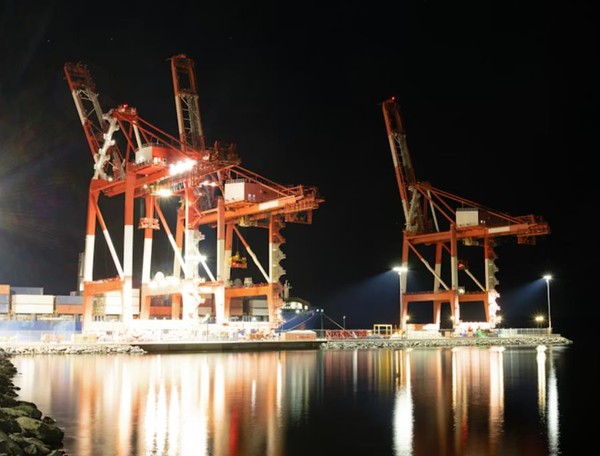
- Opt for COB when you need powerful "throw" for high-bay ceilings, sports fields, or ports where light must cut through long distances with minimal spill.
FAQs
Q1: Which technology is more energy-efficient for large factories?
A: Generally, SMD offers slightly higher luminous efficacy for broad area lighting. However, COB is more efficient at delivering focused light to the ground from high mounting heights, reducing "wasted" lumens.
Q2: Can I use COB LED flood lights in extreme temperature environments?
A: Yes. COB modules with high-grade aluminum forging heat sinks are specifically designed to maintain stability over a temperature range of -40°C to +50°C.
Q3: Is the "multi-shadow" effect a major issue for industrial safety?
A: In high-precision manufacturing, multiple shadows can cause visual fatigue and errors. COB's single-surface light output provides a more natural, single-shadow environment, improving worker comfort.
Q4: Are dimmable LED floodlights available in both SMD and COB?
A: Absolutely. Both technologies can be integrated with 0-10V or DALI dimming drivers to unlock deeper energy savings through smart daylight harvesting.
Final Thoughts
The transition to carbon neutrality demands more than just "new lights"-it requires a strategic choice in LED packaging. By aligning SMD and COB's technical strengths with your operational needs, you can get a lighting solution that is both cost-effective and environmentally responsible.
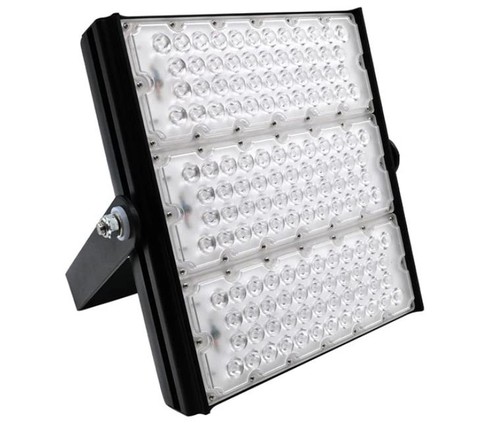

Product Spotlight: The JR302 & JR310 Industrial Series
To solve the pain points of frequent maintenance and high energy costs in industrial sites, our JR302 Series features high-efficacy SMD5050 chips (up to 170Lm/W) for versatile area lighting, while our JR310 Series utilizes premium COB LED technology. Delivering an impressive 150Lm/W and IP66-rated durability, these fixtures provide the intense, reliable illumination required for factories and ports while cutting energy consumption by over 60%.