
Top View of Outdoor Sport Court Lighting: Expert Guide with Best Budget & Premium Picks
Jun 25, 2025

Introduction
Imagine this: it's the perfect evening for a game, but as dusk settles, your outdoor sport court fades into shadows. Frustrating, right? The right sport court lighting can transform your space, keeping it safe, functional, and inviting well into the night. Whether you're setting up a backyard basketball court or a community tennis court, a thoughtfully designed lighting system makes all the difference. In this guide, we'll explore everything from top-down lighting layouts to pole placement, beam angles, and smart product recommendations - helping you light up your court like a pro.
Why Outdoor Sport Court Lighting Matters
Quality outdoor flood lighting does far more than brighten the area. It plays a crucial role in ensuring player safety, enhancing visual comfort, and elevating the overall game experience. A well-lit court allows players to see the ball, their teammates, and court markings clearly, even under challenging conditions. The Illuminating Engineering Society (IES) recommends lighting levels between 200 and 750 lux depending on the sport and level of competition. This range ensures that the court is bright enough for both casual and competitive play without causing unnecessary glare or light spill.
Poor lighting can result in increased risk of injury, reduced reaction times, and eye strain. Beyond performance, well-designed lighting systems add aesthetic value, making your court look polished and professional. Plus, they extend usable hours, letting you enjoy the space regardless of sunset times.
Top-View Layout Planning
When designing your court lighting, take a top-down perspective. Visualizing your court from above helps ensure light is distributed evenly, with no dark corners or overly bright zones that can affect gameplay. The goal is symmetry - overlapping light beams should create consistent coverage across the entire playing area.
Pole placement
- Basketball: Typically 4–6 poles at corners or midpoints along sidelines
- Tennis: 8 poles (4 on each long side) for even lighting
- Multi-sport: Adjust placement to cover all game zones without obstruction
Pole height
Aim for 20–30 feet. Taller poles reduce glare and provide broader light spread, minimizing shadows and uneven spots.
Fixture angle
Lights should tilt at 20–30 degrees. This ensures the beam focuses on the court without spilling into neighboring properties or the night sky.
Remember, it's not just about quantity of lights, but how effectively they're placed and angled for uniform illumination.

Product Comparison Table
Choosing lighting for your court depends on budget, performance expectations, and energy goals. Here's a quick comparison of reliable options:
|
Product |
Type | Lumens | Wattage | Price Range | Best For |
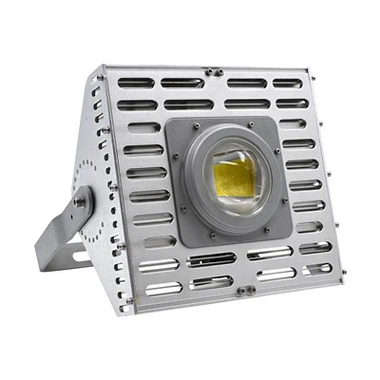
| Jr sport court LED Floodlight | Budget LED | 50000+ | Custom | $$$$ | Backyard basketball, multi-sport courts and Applicable to most places |
| Hyperikon 150W LED Arena Light | Budget LED | 19,500 | 150W | $100–$130 | Recreational tennis, larger multi-sport areas |
| Philips ArenaVision LED Gen 3 | Premium LED | 50,000+ | Custom | $$$$ | Professional courts, tournaments |
| Musco Lighting Court Solutions | Premium system | Custom | Custom | $$$$ | Large-scale courts, custom-engineered solutions |
Tip: Consider blending solutions - premium lights for main play zones, budget lights for perimeter or auxiliary areas
Installation Tips for Optimal Results
Getting the best performance from your lighting system starts with smart installation. First, always hire a licensed electrician for wired systems to ensure safety and compliance with local codes. Electricity and outdoor conditions don't mix well without proper precautions!
Opt for galvanized steel or aluminum poles, which withstand weather and resist corrosion. When setting up your fixtures, ensure they're mounted securely and tilted at the ideal angle. Avoid positioning lights too low; lower poles tend to produce glare and uneven coverage.
Finally, be mindful of local lighting ordinances. Many areas regulate outdoor lighting to minimize light pollution, so it's essential to check rules on brightness, hours of use, and light spill.
Energy Efficiency and Maintenance
Modern LED sport court lighting offers outstanding energy efficiency - using up to 80% less power than older halogen or metal halide systems. LEDs also provide brighter, more consistent light with less flicker and can last upwards of 50,000 hours, reducing the need for frequent replacements.
Maintenance is straightforward
Clean lenses and housings regularly to maintain optimal brightness.
Inspect wiring and fixtures at least annually to catch wear or damage early.
Consider smart add-ons like motion sensors and timers to cut energy use when the court isn't active.
For those prioritizing sustainability, adding solar-powered floodlights can offset grid energy use - ideal for auxiliary lighting or remote areas.
Mistakes to Avoid
When it comes to sport court lighting, a few common mistakes can lead to disappointing results:
Too few fixtures: Creates uneven light and dangerous dark spots.
Improper pole height: Short poles increase glare and reduce coverage uniformity.
Ignoring light spill: Poor fixture angle or placement can annoy neighbors and waste energy.
Underestimating local codes: Fines or forced changes can result if your setup violates regulations.
Planning with a top-view design and selecting quality components will help you avoid these pitfalls.
FAQ
Q: What's the best pole height for sport court lighting?
A: Generally, poles between 20 and 30 feet offer the best combination of coverage and
Q: Are solar lights bright enough for sport courts?
A: Solar lights can handle casual or backup lighting but typically lack the sustained brightness needed for competitive play.
Q: How long do LED court lights last?
A: Most quality LEDs are rated for 50,000+ hours, meaning years of reliable service with minimal maintenance.
Q: Can I install the lights myself?
A: For safety, always use a licensed professional for wired systems. DIY setups can pose electrical and safety hazards.
Additional Resources
Jr lighitng – Professional sports lighting systems
Musco Lighting – Custom-engineered court lighting
IES Sports Lighting Standards – Official guidelines
Final Thoughts
The secret to great outdoor sport court lighting isn't just picking bright fixtures - it's about thoughtful planning, smart placement, and investing in reliable products that fit your goals. Whether you choose budget-friendly LEDs for a backyard court or premium engineered systems for competitive play, the key is creating a setup that's safe, efficient, and enjoyable for years to come.