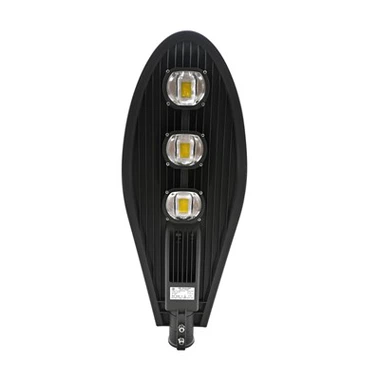

Why Stadium LED Flood Lights Are the Optimal Solution
Jan 09, 2026
Introduction
In sports lighting counts a lot. Like how accurate a players pass is or if fans can see clearly from the stands. Even referees need good light to make calls right. Butstadium lightingis something people do not think about much. Until it is not working well anyway.
For a long time places used those old metal halide lamps. They took up tons of energy and needed fixing all the time. The light was not even everywhere and it did not adjust easy to what games need now.
These days, LED flood lights for stadiums are changing things up. They make lighting way better I think. Say you run a big football field for pro matches or just a local basketball spot. Or even a place that does all kinds of sports. Switching to LED seems smart. It helps players do better and fans enjoy more. Plus it saves money and fits with saving the planet stuff. LED just stand out as the best choice for now.

The Shortcomings of Traditional Stadium Lighting
Traditional lights in stadiums, like those metal halide and high pressure sodium ones, have all these problems that make you wonder why they stuck around so long. They are based on old tech that just does not match what sports need now. Energy wise, they are really terrible. Metal halide lamps only get about 80 lumen per watt, so most of the power turns into heat instead of light. That adds up to huge electric bills, especially if the place runs games at night a few times a week.
Maintenance is a total hassle, too. These bulbs last just 10,000 hours or so, which means swapping them out all the time. It messes up operations and costs a lot over years. Picture a big football stadium with 100 of these things. Every couple years, you have to replace them, spending thousands on parts and getting crews up high on ladders, which is risky and shuts things down.
The light quality is not great either. They take forever to warm up, like 15 or 20 minutes sometimes, and the light spreads unevenly. What's more, it gets dimmer as time goes on. For players, that creates dark areas on the field, light that changes and throws off how you see distances, and glare that blurs everything during action. Spectators deal with it too, but for TV people, its worse. The colors do not come out right, so its hard to tell jerseys apart, which matters for refs calling cards or fans watching. And the flicker ruins those slow motion replays in HD or whatever.
It seems like in this digital age, with everyone streaming games, these issues make the whole event feel off for people at home or in seats. Some might say its not that big a deal, but I think it kind of is, especially when you want everything sharp.
Why Stadium LED Flood Lights Are the Game-Changer
1.Ultra-High Brightness & Professional-Grade Illumination
These stadium LED flood lights meet the basic needs for stadiums, like giving steady bright light that follows rules from sports groups around the world. LED ones go beyond that easily. They use powerful modules from 500w up to 2000w, and the chips are high efficacy, getting at least 150 lumen per watt. That beats metal halide lamps by a lot. For football, they hit over 2000 lux, or even 3000 plus for HD broadcasts, which is what FIFA wants. Basketball needs at least 750 lux, up to 1500 for pros, like FIBA standards. It seems like that a big deal for keeping games fair and clear.
One thing that stands out is how far they can throw light, up to 50 to 100 meters. So they work great for huge areas, like the corners of a football field with the flags or places for track events. Traditional lamps fade out as you go farther, but LED keeps the brightness steady everywhere. That means no dark spots on the field. Players can trust their eyes wont trick them, and they perform better without worrying about shadows. Even lighting like that, its repeated in a lot of ways, but it really helps the whole experience.
2.Precise Optical Control & Glare Reduction
Stadium LED flood lights have this really smart optical design that stops a lot of the light from going to waste or bothering people around. You know how old lamps just throw light everywhere, spilling out and lighting up neighborhoods at night, which can annoy folks living nearby. These LED ones fix that by using something called asymmetric distribution, like narrow beams at 15 by 30 degrees, so the light hits right where it needs to on the field. It cuts down on pollution from extra light and saves energy too.
Glare is a big deal with lights, and these keep it under control with a UGR rating below 19, which matches what international standards want. Athletes do not have to deal with squinting anymore during important moments, and fans watching can see without their eyes hurting. That seems like a nice change. The lamp heads of these lights can rotate horizontally by 360 degrees and vertically by 90 degrees. Therefore, operators can adjust them according to the layout of the stadium, whether it is a rectangular football field, a circular track or a venue for different sports events.
3.Professional-Grade Color Performance
In sports, getting colors right is important. Refs need to tell red cards from yellow ones easily, fans want to spot their teams jerseys clearly, and TV people need the colors to look real on screen. These lights have a CRI of at least 90, and R9 over 50, so colors come out true without getting messed up.
They also enable you to change the color temperature from 4000K up to 6000K. Venues can go with warmer white around 3000K for practices, which makes things feel relaxed and comfy, or cooler at 5700K for big matches and broadcasts, helping with contrast so cameras and people see better. One stadium can handle all sorts of events this way, from kids training to huge tournaments, without buying new lights each time.
4.Durability & All-Weather Reliability
These places see a ton of action, so lights have to take hits from balls flying around or bad weather. The LED flood lights use die-cast aluminum shells with IK10 rating for impacts, meaning they handle getting hit by sports gear without breaking, so no constant fixes or swaps.
Weather wise, they are tough with IP66 or IP67, dust-proof and waterproof, working from -40C to +50C. Rain in south, snow up north, or dust in deserts, they keep going. Even strong winds up to 22000Pa like typhoons do not knock them out, which keeps everything safe.
5.Energy Efficiency & Long Lifespan
Stadium operators always want to save money, and LED flood lights seem like a good way to do that. They use way less energy than those old metal halide lamps, maybe 50 to 70 percent less, because they are more efficient with light and do not waste much on heat. For a big place like a professional stadium, switching out 100 of those lamps for LED could mean saving thousands of dollars every year on the electric bill. That adds up quick.
The lifespan is another big thing. These LED last about 50,000 hours, which if you run them 10 hours a day, is over 13 years. Metal halide ones only go maybe a fifth of that, so you replace them way more often. It cuts down on maintenance a lot. In addition, the design lets you fix just one part if it breaks, in like 10 minutes, without messing with the whole light. That saves time and labor.
6.Intelligent Control & Versatile Operation
When it comes to smart features, modern stadiums need lighting that can change with what is happening. LED has presets for different modes, like training or a big game or even saving energy. You can dim them based on the event timing, which is useful for track meets with phases, or just the natural light outside.
For huge venues, the wireless stuff is pretty cool. They use protocols like DMX512 to control tons of lights at once, good for shows or effects during ceremonies.

FAQs
Q1: What illuminance standards can Stadium LED Flood Lights meet?
A: They can meet FIFA standard ≥2000Lux (3000Lux or more required for high-definition broadcast)and FIBA standard ≥750Lux (1500lux required for professional leagues) requirements easily.
Q2: Are Stadium LED Flood Lights resistant to extreme weather?
A: Yes, with IP66/IP67 protection and -40℃~+50℃ operating range, they withstand rain, snow, and typhoons.
Q3: How long do Stadium LED Flood Lights last?
A: They have a 50,000-hour lifespan, usable for over 13 years with 10 hours of daily use.
Q4: Can these lights reduce light pollution?
A: Yes, asymmetric light distribution and narrow beam angles minimize light spillage to surrounding areas.
Q5: Are Stadium LED Flood Lights easy to maintain?
A: Yes, modular design allows 10-minute fixture replacements and reduces maintenance costs by 70%.
Final Thoughts
Some people might think traditional lights are fine, but switching to LED changes everything in operations. They give better light for athletes and fans, while cutting costs on energy and upkeep. Durable against weather, they work anywhere from small courts to big stadiums. In this time when places have to be green and flexible, LED fits that. They help with less energy use and emissions, meeting what sports groups and TV people want.
Anyway, the future looks like LED's !