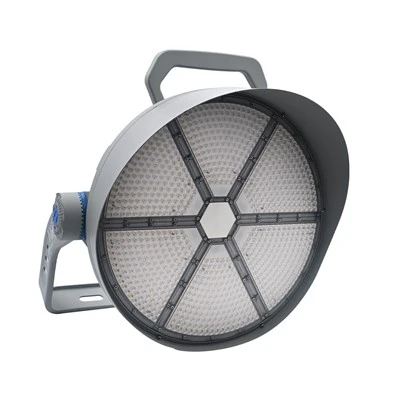

Why Thermal Management Matters in Industrial LED High Bay Lighting
Nov 13, 2026
Introduction
Industrial lighting often operates for long hours in demanding environments. In factories, warehouses, sports facilities, and other large spaces, LED high bay lights must deliver consistent illumination while managing the heat generated during operation.
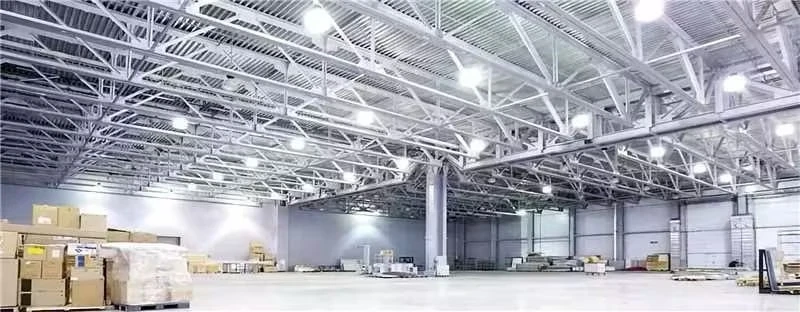
However, brightness and luminous efficacy are not the only factors that determine lighting performance. Thermal management also plays an important role in the stability, efficiency, and long-term reliability of an LED lighting system.
Understanding how heat affects LED components can help buyers make more informed decisions when selecting industrial lighting solutions.
When Heat Builds Up in Industrial LED Lighting
Although LEDs convert electrical energy into light more efficiently than traditional lighting technologies, not all electrical energy becomes visible light. Some is converted into heat during operation.
LED chips and drivers are two important heat sources within a high bay light. When a fixture operates continuously, heat can accumulate if its structure cannot transfer and release it effectively.
The surrounding environment also matters. High ambient temperatures, limited airflow, dust accumulation, and unsuitable installation conditions can make heat dissipation more difficult.
Without effective thermal management, excessive operating temperatures may accelerate component aging and affect long term lighting performance.
The Role of Aluminum Housing in Heat Dissipation
The lamp housing is more than an external protective structure. It also forms an important part of the thermal management system.
Aluminum is widely used in industrial LED lighting because of its good thermal conductivity. It helps transfer heat away from internal components and distribute it across the housing surface, where it can be released into the surrounding environment.
High-pressure die casting also allows manufacturers to create durable and complex housing structures. This provides flexibility in designing both the mechanical body and the heat dissipation structure.
A well-designed aluminum housing therefore contributes to effective heat transfer while providing structural protection.
Why Ventilation Design Matters
Heat dissipation does not depend on material alone. Airflow around the lamp housing is another important factor.
Ventilated structures can help reduce resistance to airflow and support natural convection. As the surrounding air moves across heated surfaces, it carries heat away and helps maintain a more stable operating temperature.
The effectiveness of this process depends on the overall structure, available airflow, installation conditions, and surrounding environment.
For industrial high bay lights, ventilation design should therefore be considered together with housing structure and environmental protection.
How Temperature Affects LED Performance
Operating temperature has a direct relationship with LED performance and reliability.
Excessive heat can accelerate lumen depreciation, meaning that the light output gradually decreases over time. It can also place additional thermal stress on electronic components and affect the reliability of the driver.
A constant current driver helps regulate the current supplied to LED chips, supporting stable electrical operation. However, thermal management remains essential because both the driver and LED chips need to operate within their specified temperature limits.
For this reason, effective heat dissipation, suitable electrical design, and reliable components should work together to support long term performance.
What to Consider When Choosing an Industrial High Bay Light
When evaluating an industrial LED high bay light, buyers should look beyond wattage and initial brightness.
The housing material, heat dissipation structure, driver quality, and LED chip performance all deserve attention. Installation height, ambient temperature, ventilation, and operating hours should also be considered because they influence the actual working conditions of the fixture.
A lighting solution with a well designed thermal structure can help reduce unnecessary thermal stress and support more reliable operation in demanding industrial environments.
Recommended Product
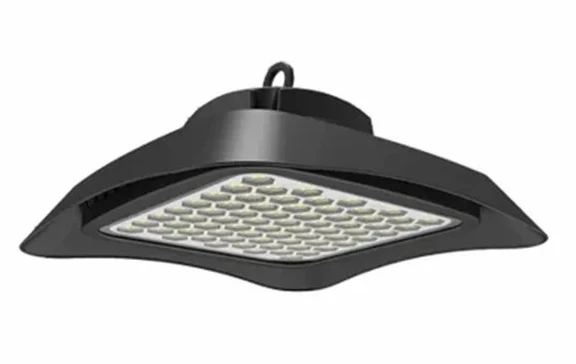
The HL12 features a high-pressure die- cast aluminum housing with an electrostatic spray finish for durability and corrosion resistance. Its ventilated structure supports heat dissipation, while the constant current driver and high power LED chips are designed for stable, efficient operation.
It is suitable for factories, industrial sites, sports fields, gas stations, parking lots, railway stations, ports, and mobile towers.
Frequently Asked Questions (FAQ)
Q1: What is the difference between heat conduction and convection?
A: Heat conduction transfers thermal energy through direct contact between materials. Convection transfers heat through the movement of fluids such as air. In LED lighting, heat is conducted from the LED chips to the housing and then released into the surrounding air through convection and radiation.
Q2: How does operating temperature affect LED lumen maintenance?
A: Higher LED junction temperatures can accelerate lumen depreciation and affect long term performance. Effective thermal management helps keep the LED operating within its specified temperature range.
Q3: Why is a constant current driver used in LED lighting?
A: LEDs require controlled electrical current for stable operation. A constant current driver regulates the current supplied to the LED chips and helps prevent unwanted current fluctuations from affecting performance.
Q4: Does a large heat dissipation structure always mean better cooling?
A: Not necessarily. Heat dissipation depends on several factors, including material conductivity, surface area, airflow, structural design, and installation conditions. The overall thermal design matters more than size alone.
Conclusion
Thermal management is an essential part of reliable industrial LED lighting. From aluminum housing and ventilation design to driver performance and LED temperature control, every element contributes to the overall thremal system.
When selecting an industrial high bay light, understanding these factors can help buyers evaluate more than just initial brightness and make better decisions for long term lighting applications.