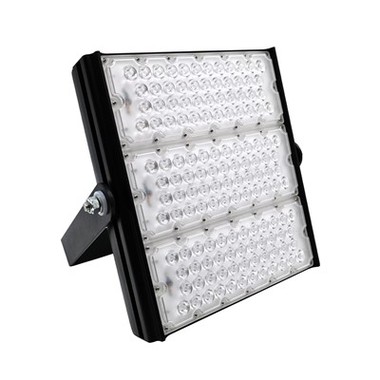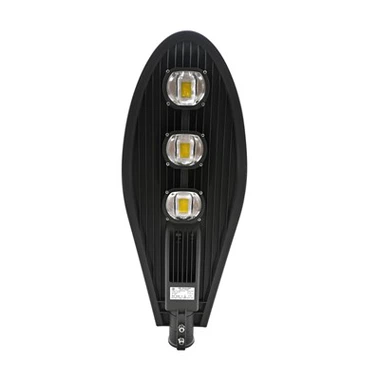

Commercial LED Flood Lights: Real-World Performance, Features & Expert Buying Guide
Aug 06, 2025
Commercial LED flood lights have revolutionized large-scale lighting, offering powerful illumination with remarkable energy efficiency. Whether it's for a warehouse, stadium, or building façade, these lights are built for performance. In this post, we'll break down what makes them so effective-backed by real-world case studies, data tables, and expert-level analysis.

Why Commercial LED Flood Lights Are the Industry Standard Today
Whether you're managing an industrial facility, a commercial parking lot, or a sports arena, proper lighting is non-negotiable. Safety, productivity, and even aesthetics depend on it.
Traditional lighting systems like metal halides and halogens used to dominate these spaces. But times have changed. Commercial LED flood lights now stand out as the gold standard, and for good reason-they consume less energy, last longer, and deliver better light quality.
But don't just take our word for it-let's dive into the data, use cases, and how you can select the right solution for your business.
Key Features of Commercial LED Flood Lights
| Feature | Description |
| Energy Efficiency | Uses up to 80% less energy than halogen or metal halide |
| Long Lifespan | Typically 50,000 to 100,000 hours |
| High Lumen Output | Ranges from 10,000 to over 100,000 lumens |
| Weather Resistance | Most models are IP65+ rated for outdoor use |
| Instant On/Off | No warm-up time compared to traditional lights |
| Color Temperature | Usually available in 4000K–6000K (cool white) |
| Dimming Options | Many come with DALI, 0-10V dimming capabilities |
These aren't just specs on paper-they translate into measurable gains in real-world settings.
Real-World Case Study #1: Distribution Center in Chicago, USA
Project Overview
A 120,000-square-foot distribution center in Chicago upgraded its entire outdoor lighting system from 400W metal halide lamps to 150W commercial LED flood lights.
Installation Specs
- Old System: 400W Metal Halide
- New System: 150W LED Flood Lights
- Fixtures Replaced: 60 units
- Installation Height: 25 feet
- Color Temperature: 5000K
- Beam Angle: 120° wide flood
Results After 12 Months
| Metric | Before (MH) | After (LED) |
| Avg. Power Consumption | 24,000W | 9,000W |
| Annual Energy Cost | $19,200 | $7,200 |
| Average Lumen Output | 33,000 lm | 19,500 lm (more focused, better uniformity) |
| Maintenance Downtime | 3x/year | 0 (No failures in 12 months) |
| ROI Period | - | 14 months |
"The visibility improvement was immediate. Plus, no more maintenance calls or re-lamping, which saves us both time and money."
- Facilities Manager, Midwest Logistics Group
Real-World Case Study #2: Outdoor Sports Complex in Brisbane, Australia
Project Overview
A mid-sized soccer stadium in Brisbane replaced aging halogen floodlights with high-powered 500W LED flood lights.
Key Data
| Metric | Before (Halogen) | After (LED) |
| Wattage per Fixture | 1000W | 500W |
| Total Energy Use | 60,000W | 30,000W |
| Lux at Field Level | 150 lux | 280 lux |
| Estimated Annual Savings | - | $8,400 AUD |
| Lamp Failures | 4-5/year | None in 18 months |
| Rated Lifetime | ~2,000 hrs | 50,000+ hrs |
The uniformity of light was significantly better with LED fixtures, improving both player safety and viewing quality for spectators.
Why the Upgrade Makes Sense (Financially & Functionally)
So, what do all these numbers really mean for your business? Here's the bottom line:
1. Energy Cost Reduction
Switching to LED can lower your lighting-related electricity bills by up to 60-80%, depending on the application.
2. Lower Maintenance Costs
Traditional lights often require frequent bulb replacements and occasional ballast failures. LEDs don't. This means fewer man-hours and repair calls.
3. Improved Safety and Visibility
With high CRI (Color Rendering Index) and consistent brightness, LEDs improve visibility across large areas, reducing the risk of accidents and enhancing operational productivity.
4. Environmentally Friendly
Many LED systems are recyclable and contain no hazardous materials like mercury. Plus, reduced energy use means a smaller carbon footprint.
Choosing the Right LED Flood Light for Your Business
Here's what to consider when selecting your lighting:
✔ Wattage & Lumen Output
For small spaces: 50W–100W (5,000–12,000 lumens)
Large outdoor areas: 150W–500W+ (15,000–100,000 lumens)
✔ Color Temperature
4000K = Neutral White
5000K–6000K = Daylight White (best for security and sports)
✔ Beam Angle
Narrow beam (30°–60°): Focused light, great for highlighting areas
Wide beam (90°–150°): General illumination
✔ IP Rating
IP65: Dust-tight and water-resistant
IP67: Withstands temporary submersion
✔ Certifications
Look for UL, DLC, CE, or RoHS certifications to ensure safety and energy efficiency compliance.

Pro Tips from the Field
Motion Sensors: Adding sensors can further improve energy savings-lights turn on only when needed.
Smart Controls: Integrate with building management systems (BMS) for advanced control and monitoring.
Avoid Overlighting: Too much brightness can cause glare. Proper lighting design is essential.
Photometric Planning: Work with your supplier to create a custom light layout simulation.
Frequently Asked Questions (FAQs)
Q: Can LED flood lights be used in extreme temperatures?
A: Yes. Many commercial LED flood lights are rated for -40°C to +50°C, making them suitable for harsh climates.
Q: How long do they really last?
A: Most quality models offer 50,000 to 100,000 hours of rated lifespan-equivalent to 10+ years in normal use.
Q: Are they compatible with solar systems?
A: Absolutely. Many LED floodlights can be integrated with solar panels, especially for off-grid locations.
Q: Is the initial cost worth it?
A: Despite higher upfront costs, the ROI is typically under 18 months due to energy savings and reduced maintenance.

Final Thoughts: Is It Time to Make the Switch?
If you're still using outdated lighting systems, it's not a matter of if you should upgrade-it's when. The performance data, real-world case studies, and long-term savings all point to one clear conclusion: commercial LED flood lights are the smartest investment in large-area lighting today.
Whether you're retrofitting an old facility or planning a new one from scratch, take time to assess your needs-and don't hesitate to consult a lighting professional.