
How to Avoid Crucial Outdoor LED Floodlight Failures and Keep Your Space Safe
May 22, 2026
Introduction
With the right outdoor illumination, a dim walkway transforms into a secure pathway and an ordinary perimeter turns into a welcoming environment. Because modern solid-state lighting is highly durable, long-lasting, and energy-efficient, achieving these setups has never been easier. However, outdoor fixtures face unforgiving environments, and even advanced systems can run into operational issues. From flickering porch lights to commercial fixtures that refuse to turn off, electrical and mechanical glitches disrupt security and operations.
This comprehensive guide breaks down the typical technical failures encountered in exterior applications and provides actionable engineering solutions. Whether you are troubleshooting a residential layout or managing heavy-duty industrial systems, understanding these core principles will keep your property well-lit and secure.

The Anatomy of Failure: Why Do Outdoor LED Lights Quit?
While semiconductor-based lighting is inherently robust, several critical variables can compromise its performance, causing premature degradation or complete failure.
1. Substandard Chips: The Root of Erratic Behavior
The internal LED chip is the core engine of the fixture. When manufacturers cut corners on semiconductor quality, the internal structure fails to regulate light output properly. This results in lumen depreciation, rapid flickering, or internal shorts that cause the light to stay permanently energized or fail to turn on at all.
2. Faulty Wiring and Loose Connections
Poor electrical installation is a frequent hidden culprit. If an exterior fixture has incoming power but fails to illuminate, a compromised circuit is usually to blame. Outdoor junctions are highly susceptible to moisture ingress, which causes oxidation and loose terminations. These unstable connections create voltage fluctuations that lead to intermittent flickering across the circuit.
3. Power Supply and Driver Failure
If the LED chip represents the heart of the system, the driver is its lifeblood. A failing or poorly engineered power supply cannot deliver a stable direct current. This power instability manifests as severe strobing, decreased brightness, or an abrupt, permanent system shutdown.
4. Material Deficiencies and Thermal Management Breakdown
Thermal management is vital to semiconductor longevity. Every 10°C increase in an LED chip's junction temperature drastically slashes the lifespan of the device. Poorly designed housings cannot dissipate heat effectively, accelerating chip degradation and causing rapid instability.
Furthermore, structural material integrity matters immensely. Low-cost fixtures frequently use thin, low-grade alloys prone to casting flaws, pinholes, and micro-cracks. Shortly after installation, these structural weaknesses allow moisture to enter the housing, leading to short circuits and catastrophic mechanical failure. High-quality structural shells must prevent moisture ingress while facilitating rapid thermal dissipation.
5. Vulnerable Wire Bonding Material
Within the LED package, the choice of wire-bonding material dictates reliability. Gold wire bonding offers excellent chemical stability compared to copper, silver, or plated alloys. Alternative materials are highly vulnerable to environmental corrosion; for example, silver alloys degrade when exposed to sulfur, chlorine, or bromine, while copper wires oxidize rapidly. These reactions lead to broken internal connections and premature failure of the light bead.
Troubleshooting Common Outdoor Lighting Headaches
| Issue | Potential Root Cause | Recommended Solution |
| Fixture Fails to Illuminate |
Circuit disruption or driver failure |
Test wiring continuity; replace power supply unit |
| Flickering Exterior Lamps |
Loose terminations or line voltage drops |
Secure wire connections; stabilize power source |
| String/Accent Lights Out |
Primary power supply blowout |
Replace the faulty power transformer |
1. The Stubborn, Stuck Bulb
In older residential or commercial socket systems, lamps can seize in the socket due to environmental exposure.
- Root Causes: Moisture drives rust and galvanic corrosion between the bulb base and socket. Additionally, prolonged thermal expansion and contraction can lock the threads over time, and over-tightening during installation can weaken the bond.
- The Fix: Always isolate the main breaker before attempting maintenance. Use high-friction rubber gloves or a wide rubber band around the glass to improve grip. For severely corroded bases, apply a specialized anti-rust penetrant directly to the threads, allowing it to work for 5 to 10 minutes before attempting a gentle, alternating back-and-forth twist.
2. Complete System Blackouts
When a high-output array completely shuts down, immediately inspect the main circuit breaker. If the breaker has not tripped, check line continuity and driver output voltage. Resolving a power supply blowout or replacing a degraded driver will typically restore full system functionality.
Maintenance and Replacement: Getting It Right
1. Upgrading Porch and Walkway Lights
If an exterior architectural fixture flickers constantly or fails completely, replace the unit to preserve safety. Isolate the circuit, unscrew the housing, disconnect the wiring leads, and secure the new weather-rated fixture in reverse order. Always verify that replacement hardware carries an outdoor ingress protection (IP) rating to avoid premature degradation.
2. Matching Specs for Seamless Replacement
When executing an upgrade, you must match the wattage range and input voltage to your existing electrical infrastructure. Proper load balancing prevents circuit overloads, mitigates voltage drops, and extends the operational lifecycle of your entire exterior grid.
Commercial & Architectural Lighting: Mitigating Low-Voltage Pitfalls
Solving Low-Voltage Dimness and Voltage Drop
Low-voltage landscape networks require precise layout engineering. Severe dimming or flickering at the end of a lighting run is typically caused by line voltage drop. Ensure your step-down transformer has sufficient power rating to handle the total circuit load. If performance lags, split the run into multiple center-fed runs or upgrade to thicker, lower-gauge premium conductors.
Engineered for the Elements: Premium Industrial Lighting Solutions
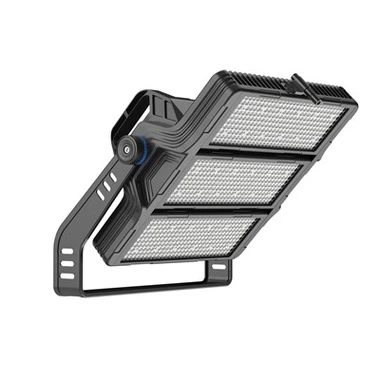
For demanding environments like commercial yards, sports complexes, and heavy industrial sites, standard residential hardware is insufficient. Eliminating these maintenance headaches requires the deployment of a heavy-duty, commercial-grade Outdoor Led Floodlight.

The JR325 Series Battery Powered Flood Lights are precision-engineered to solve these exact outdoor vulnerabilities. Built by a leading LED Flood Lights Factory, these fixtures feature heavy-duty integrated die-cast aluminum housings that provide exceptional thermal conductivity to protect critical internal components. Boasting premium IP67 waterproof and IK08 impact ratings, they completely eliminate moisture ingress and structural cracking.
Whether you need a high-power Led Stadium Light or reliable Waterproof Led Flood Lights for perimeter security, the JR325 series delivers an impressive 140 Lm/W efficiency across a wide range of global voltages (AC100-277V, DC24V, DC48V). Equipped with glare-free, optical-grade PC lenses and a robust 360° adjustable steel bracket, this series ensures a maintenance-free lifespan exceeding 50.000 hours in the most unforgiving settings.
FAQs
Q1: How do I choose the correct IP rating for an outdoor LED floodlight?
A: For standard architectural lighting, an IP65 rating provides adequate protection against rain and dust. However, for industrial zones, marine docks, or high-exposure perimeters, look for an IP67 or higher rating to ensure the fixture can withstand temporary submersion and heavy downpours without short-circuiting.
Q2: What causes an outdoor LED fixture to glow faintly even when turned off?
A: This is usually caused by small amounts of residual current in the circuit. It can happen if you use an incompatible smart switch or dimmer that leaks a tiny amount of standby power, or if the neutral and live wires are swapped at the switch, leaving the fixture constantly energized.
Q3: Can extreme winter temperatures cause outdoor LED lights to crack or fail?
A: LEDs actually operate highly efficiently in freezing temperatures. Structural failure occurs if the housing is made of low-cost plastics or thin alloys that become brittle and crack under thermal stress, allowing freezing moisture to get inside and damage the electronics.
Q4: How can I prevent exterior light bulbs from seizing in their sockets in the future?
A: Before installing a bulb in a high-humidity environment, ensure the socket is completely dry. Apply a light coat of specialized conductive anti-seize or anti-rust lubricant to the metal threads. Opt for weather-resistant ceramic or composite synthetic sockets rather than cheap metal alternatives.
Final Thoughts
Outdoor lighting is a vital component of property security, operational efficiency, and nighttime aesthetics. Understanding basic electrical principles, managing heat dissipation, and protecting fixtures from moisture ingress can save you substantial time, money, and frustration. Don't let cheap components leave your facility in the dark-invest in premium, ruggedly engineered solid-state solutions to keep your outdoor spaces bright and secure for years to come.