


LED High Mast vs. HPS: Color Temperature Guide
Oct 26, 2026
Introduction
When upgrading outdoor and large-area industrial lighting, facility managers often focus primarily on energy efficiency and lumen output. However, one critical factor frequently dictates overall visual performance, safety, and modern aesthetics: Color Temperature.
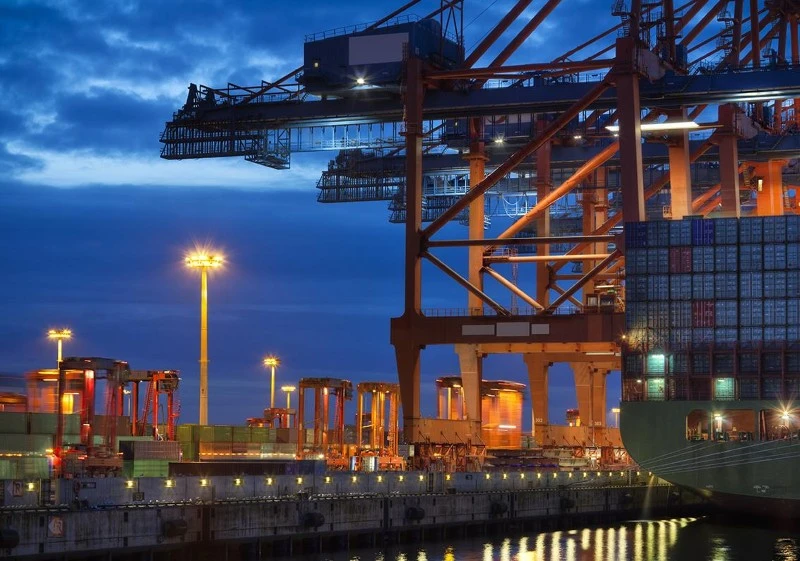
Traditionally dominated by High-Pressure Sodium (HPS) lamps, large-scale outdoor projects are rapidly transitioning to LED high mast lighting. This article explores the core color temperature differences between LED high mast lights and HPS lamps, and why this shift matters for B2B applications.
Core Comparison: LED High Mast vs. HPS Color Temperature
| Comparison Dimension | LED High Mast Lights | High-Pressure Sodium (HPS) Lamps |
| Color Temperature Range | Highly Flexible & Customizable (Warm White 3000K to Cool White 6000K+) | Extremely Rigid & Single-Option (Fixed around 2000K – 2500K) |
| Visual Presentation | Delivers clear, bright, daylight-like illumination with high color recognition. | Emits an intense, monochromatic golden/orange-yellow glow with severe color distortion. |
| Application Strengths | High cool color temperatures (5000K–6000K) enhance visibility and contrast for ports, logistics hubs, and terminals. | Historically used for highways due to legacy standards, but rapidly being phased out by modern LEDs. |
Key Differences in Detail
A. Spectral Range & Flexibility
- HPS Lamps: Locked into a very low color temperature spectrum (2000K–2500K), producing a monotonous amber light that lacks spectral balance.
- LED High Mast Systems: Offer a wide spectrum of choices. Project designers can select 3000K for comfortable ambient lighting, 4000K for neutral daylight simulation, or 5000K–6000K for high-contrast industrial visibility.
B. Visual Clarity and Safety
- Under HPS lighting, objects lose their true colors, making it difficult for security cameras and workers to distinguish subtle details or color-coded hazards.
- High color-temperature LEDs drastically improve visual acuity, reduce reaction times for drivers and equipment operators, and eliminate dark, muddy shadows.
Why B2B Industrial Sites Are Moving Away from HPS Color Temperatures
- Enhanced Surveillance & Security: Modern CCTV and security monitoring systems require clear, natural color reproduction to accurately track movements and identify incidents in large areas like container terminals and airport aprons.
- Reduced Eye Fatigue: Crisp, daylight-balanced LED lighting improves human visual comfort during night shifts, lowering error rates in heavy-duty logistics and industrial yards.
Application-Based Color Temperature Selection Guide
- Seaports, Container Terminals & Heavy Industry: 5000K – 6000K (Cool White) is recommended to maximize visual sharpness, detail detection, and spatial awareness.
- Public Plazas & Architectural Landscapes: 3000K – 4000K (Warm/Neutral White) provides an inviting, comfortable aesthetic while maintaining safety.
Recommended Products
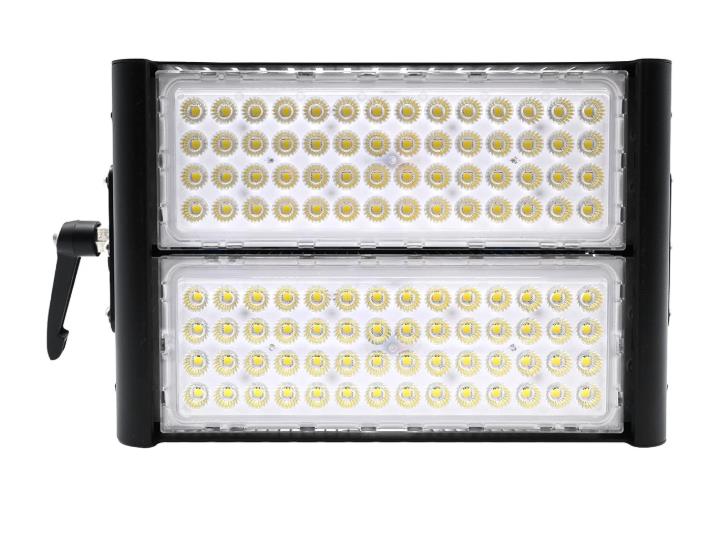
The Modular High Mast Light (Model JR328) offers a power range from 100W to 600W with high efficacy up to 160 Lm/W and a customizable color temperature of 2200K–6000K. Featuring premium SMD chips, air-duct heat dissipation, and 30°/60° precise beam angles, it delivers durable, uniform illumination tailored for large industrial venues like ports, airports, and sports fields.
Frequently Asked Questions (FAQ)
Q1: What is the fundamental difference in color temperature between LED high mast lights and HPS lamps?
A: High-Pressure Sodium (HPS) lamps have a rigid, single color temperature fixed within the ultra-low 2000K–2500K range, emitting a monochromatic amber glow. In contrast, LED high mast lights offer a wide, flexible color temperature spectrum ranging from 3000K warm white and 4000K neutral white to 5000K–6000K+ cool white.
Q2: Why do HPS lamps look overwhelmingly yellow while LED high mast lights offer better clarity?
A: HPS lamps suffer from severe color distortion due to their extremely low color temperature and narrow spectrum. LED high mast lights provide superior color rendering and daylight-balanced illumination, allowing drivers and pedestrians to distinguish true object colors and fine details at night.
Q3: What advantages do high color-temperature LED high masts have over traditional HPS in ports and industrial yards?
A: Cool white LED high mast lights (5000K–6000K) deliver exceptional contrast and visual sharpness. They improve human reaction times, reduce night-time eye fatigue, and enable CCTV security cameras to capture clear color footage, greatly enhancing safety and operational efficiency in large-scale facilities.
Q4: Which color temperature should be selected for public plazas and architectural landscapes when replacing HPS?
A: For civic squares and landscape areas, LED high mast lights with 3000K to 4000K (warm to neutral white) color temperatures are ideal. They eliminate the dated, gloomy look of legacy HPS lighting while creating an inviting, comfortable nighttime ambiance.
Conclusion
Color temperature is much more than a technical specification-it is a vital determinant of safety, operational efficiency, and modern infrastructure branding. Upgrading from legacy HPS lamps to LED high mast lighting represents not only a leap in energy savings, but a complete transformation in night-time visual quality.
Looking to upgrade your outdoor lighting infrastructure? Contact our engineering team today for professional photometric layouts and custom LED high mast solutions.


