
Outdoor LED Flood Light & Color Temperature Guide for Industrial Lighting Efficiency
Aug 14, 2025
Learn how outdoor LED flood light solutions and color temperature (Kelvin) impact safety, productivity, and precision in industrial environments.

Introduction
In industrial environments, lighting is far more than mere illumination-it's a critical tool for safety, productivity, and precision. While brightness (in lumens) and efficiency (in lumens per watt, Lm/W) dominate technical discussions, color temperature (measured in Kelvin, K) is the silent architect of visual comfort and task performance.
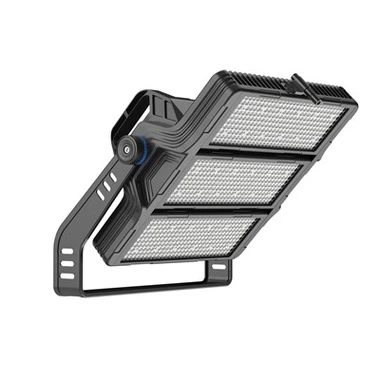
And when paired with a high-quality outdoor LED flood lights, the right color temperature becomes a game-changer for both indoor and outdoor industrial operations. Whether mounted on a high mast to cover vast yards or placed strategically around loading docks, outdoor LED flood lights ensure consistent illumination and enhanced visibility for every task.
Decoding the Kelvin Scale: Warm to Cool
Warm White (3000K–4000K): Amber-toned light that reduces eye strain in long-duration tasks. Ideal for break rooms, low-activity warehouses, or outdoor security lighting where alertness without harshness is key. An outdoor LED flood light in this range can illuminate parking areas without creating excessive glare for workers finishing a late shift.
Neutral White (4000K–5000K): Mimics natural daylight, striking a balance between visual clarity and comfort. The gold standard for assembly lines, inspection stations, and workshops where color accuracy matters. Neutral white outdoor LED flood lights are often used for loading docks and exterior production areas to maintain consistent lighting between indoors and outdoors.
Cool White (5000K–6500K): Crisp, blue-rich light that heightens contrast and alertness. Perfect for high-precision tasks (e.g., CNC machining), hospitals, or cold storage facilities. In open industrial yards, high-mast outdoor LED flood lights with cool white output ensure clear visibility of moving vehicles, cranes, and signage even in poor weather conditions.
Color Temperature's Impact on Human Performance
Safety & Focus: Cooler temperatures (5000K+) enhance contrast detection in low-visibility environments (e.g., construction sites, ports), reducing accident risks. Outdoor LED flood lights in this range can improve night-time hazard recognition around heavy machinery or cargo containers.
Shift Work Adaptation: 4000K–5000K lighting regulates circadian rhythms in 24/7 facilities, minimizing fatigue during night shifts. Placing outdoor LED flood lights with these color temperatures along staff walkways can reduce drowsiness during early morning or late-night transitions.
Error Reduction: Neutral-to-cool light (4500K–5500K) improves visual acuity for inspecting in manufacturing or electronics. Outdoor inspection zones benefit from LED flood lights in this range, ensuring defects are spotted before goods move inside.
Matching Color Temperature to Industrial Applications
| Kelvin Range | Industrial Application | Outdoor LED Flood Light Use Case |
| 3000K–4000K | Staff rest areas, low-traffic outdoor spaces, security zones | Soft perimeter lighting with minimal glare |
| 4000K–5000K | Exterior workstations, shipping docks, maintenance bays | Balanced lighting for accurate work and worker comfort |
| 5000K–6500K | Large industrial yards, container terminals, high-security | High-contrast illumination for hazard detection and operational precision |
Beyond Kelvin: The CRI Factor
Color temperature alone isn't enough. Color Rendering Index (CRI > 80) ensures lights reveal true colors. For example:
- A 5000K lamp with CRI 70 makes safety vests appear dull gray.
- The same 5000K with a CRI of 90 renders vibrant yellows/reds-critical for hazard identification.
Industrial Tip: Pair high CRI with neutral/cool CT for inspection-heavy tasks. Outdoor LED flood lights with CRI above 85 not only meet safety codes but also improve camera footage quality in security surveillance systems.

Case Study: Outdoor LED Flood Lights in Action
Steel Fabrication Plant (2024)
- Old Setup: 1000W metal halide fixtures (CRI ~65, 4500K)
- Upgrade: 600W outdoor LED flood lights (CRI 90, 5000K)
Results:
- Improved forklift operator accuracy
- Reduced accident reports by 18%
- Cut annual energy costs by 45%
Outdoor LED Flood Light Technical Comparison
| Model Name | Kelvin Options | CRI Rating | Lumen Output | Wattage Range | IP Rating | Best Industrial Applications |
| JR Lighting outdoor flood light jr309 | 3000K / 4000K / 5700K | >85 | 40,000–120,000 lm | 400–1200W | IP67 | Large outdoor yards, port terminals, perimeter security lighting |
| Cree OSQ Series LED Flood | 4000K / 5000K | 80–90 | 25,000–90,000 lm | 250–1000W | IP65 | Loading docks, outdoor inspection stations, logistics hubs |
| GE Evolve™ LED Flood Light | 3000K–6500K | 90 | 50,000–150,000 lm | 300–1500W | IP67 | Stadium-level yards, high-mast outdoor LED flood light installations |
| Musco TLC for LED™ | 4000K / 5000K | >90 | 100,000–180,000 lm | 500–1500W | IP66 | Ports, airports, and heavy-duty crane operation zones |
| Dialight Vigilant® Flood | 4000K / 5700K | >80 | 30,000–110,000 lm | 300–1000W | IP66 | Mining operations, offshore facilities, extreme-weather sites |
Industrial Buyer's Checklist for Outdoor LED Flood Lights
Define Purpose & Location: High mast for yard coverage or ground-level perimeter lighting?
Match Kelvin:
- 3000K–4000K for comfort zones
- 4000K–5000K for balanced clarity
- 5000K–6500K for maximum alertness
Check CRI: Aim for ≥85 for accurate hazard color detection.
Verify Lumen Output & Wattage: Scale brightness to area size.
Confirm Durability: IP65–IP67 for dust and water protection.
Consider Lifespan & Maintenance: Look for 50,000+ hours rated life.
Add Smart Controls: Motion sensing and dimming reduce operating costs.
Pro Tip: A mixed Kelvin approach can be highly effective-neutral white for general work areas, cool white for hazard detection zones.

Final Thoughts
In industrial environments, the outdoor LED flood light is more than just a light source-it's a critical component of workplace safety and productivity. By understanding how Kelvin and CRI influence visibility, comfort, and precision, facility managers can make informed decisions that benefit both operations and worker well-being.
Choosing the right combination of color temperature, CRI, and fixture design ensures not only a brighter workspace but a smarter, safer, and more efficient one.