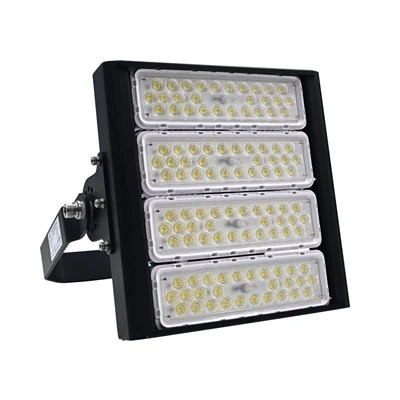

What Time Do the Street Lights Come On? Global Data & Smart Lighting Trends
Jul 30, 2025
Explore when street lights turn on across different countries, backed by data, charts, and expert sources. Discover how smart tech is reshaping city lighting.
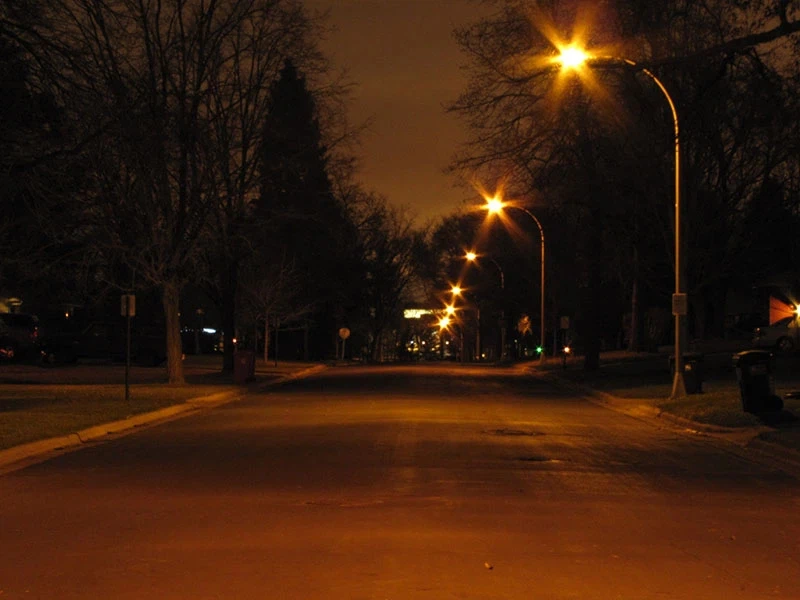
Street lighting is more than just keeping things lit-it's a science of safety, urban design, energy efficiency, and even ecology. If you've ever wondered what time the street lights come on, you're about to find out, backed by real global data and insights from trusted organizations.
Why the Timing of Street Lights Matters Globally
Street lights help reduce crime, improve road safety, and make public spaces more usable after dark. But the time they turn on isn't universal-it varies by:
- Latitude and time zone
- Seasonal daylight changes
- Urban infrastructure (smart systems vs. timers)
- Government regulations
Typical Street Light Activation Times Around the World
Here's a table summarizing average activation times during winter and summer months in various major cities, based on public utility reports and smart city dashboards:
| City | Winter Activation Time | Summer Activation Time | Control System |
| New York City | 4:45 PM | 8:10 PM | Photocell Sensors |
| Tokyo | 5:10 PM | 7:45 PM | Smart Lighting Network |
| London | 4:30 PM | 9:00 PM | Timer + Photocell Hybrid |
| Cape Town | 5:30 PM | 6:50 PM | Timers |
| Singapore | 6:45 PM (all year) | 6:45 PM (all year) | Smart System (Fixed Equator) |
| São Paulo | 6:20 PM | 7:00 PM | Regional Smart Grid |
| Dubai | 5:30 PM | 7:30 PM | Sensor-Based LED System |
Source: Local municipality reports + Smart Cities Council 2024 Report
How Do Street Lights Know When to Turn On?
There are three main systems controlling the timing of street lights:
1. Photocell Sensors
- Detect ambient light levels
- Automatically turn on when it gets dark
- Adjust daily with natural sunlight shifts
Adoption Rate Worldwide (2023):
| Region | Photocell Usage (%) |
| North America | 89% |
| Western Europe | 82% |
| Southeast Asia | 66% |
| Africa | 38% |
| Middle East | 70% |
Source: International Energy Agency (IEA) Lighting Report 2023
2. Timer-Based Systems
- Pre-set to fixed on/off times
- Require manual updates for daylight changes
- More common in older infrastructure or developing areas
"Timer-based systems are gradually being phased out due to inefficiency and poor adaptability to seasonal shifts."
- World Bank, Urban Infrastructure Brief, 2022
3. Smart Lighting Networks
- Controlled via wireless communication (Zigbee, LoRaWAN)
- Adjust based on real-time data: weather, daylight, pedestrian activity
- Capable of dimming, remote diagnostics, and energy savings
Smart Lighting Adoption by 2025 (Forecast):
(Replace with real image when publishing)
| Country | Smart Lighting Coverage (%) |
| Netherlands | 92% |
| United States | 75% |
| China | 68% |
| UAE | 81% |
| Kenya | 31% |
Source: SmartCitiesDive 2025 Forecast
Why Consistent Lighting Schedules Matter
Lighting isn't just about visibility-it's an urban safety system. Here's why timing consistency matters:
Crime Deterrence: A 2019 study by the Urban Institute showed a 39% decrease in property crime in well-lit neighborhoods.
Traffic Safety: According to the WHO, road traffic injuries are 30% more likely in poorly lit environments.
Energy Efficiency: Street lighting accounts for 19% of global electricity use in cities (UN-Habitat).
Ecological Impact: Mistimed lighting disrupts nocturnal wildlife and bird migration patterns.
Lighting & Environment: A Balancing Act
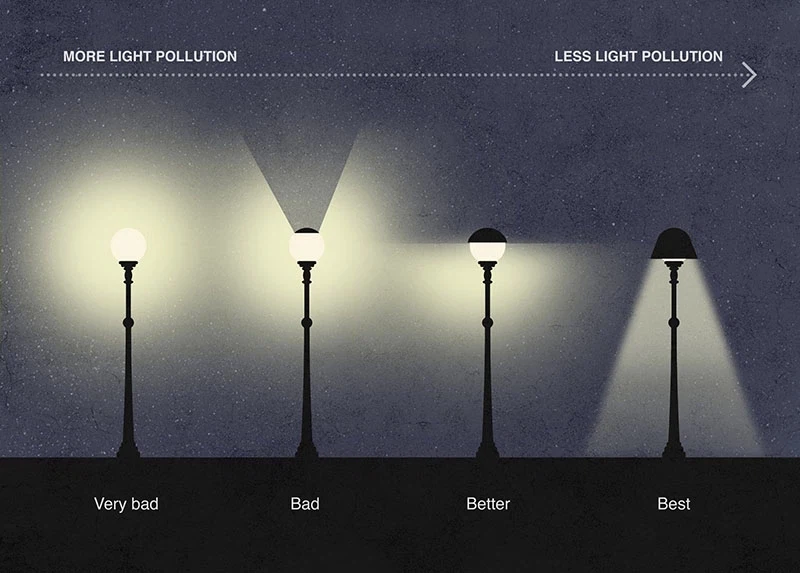
Over-lighting or mistimed lighting can create light pollution, which affects:
- Wildlife navigation (e.g., turtles, birds, bats)
- Human sleep cycles
- Astronomy and star visibility
- Recommended Reading: IDA – Artificial Light at Night (ALAN)
"Street lights should serve people without harming the planet."
- International Dark-Sky Association
How to Check Street Light Timings in Your Area
Wondering how to find out when lights turn on in your city? Try these:
Local utility websites often post lighting schedules
Use apps like GridSmart or CityIQ
Call your municipality's public works department
Some smart cities offer real-time dashboards for lighting data
FAQ
Q: Why do some street lights turn on earlier than others in the same city?
A: Lights with individual photocells react to local light conditions. Shade, building height, or even dirty sensors can affect timing.
Q: Why do some lights stay on during the day?
A: That's usually due to a malfunctioning sensor or wiring issue. It wastes energy and should be reported.
Q: Can residents request lighting schedule changes?
A: In many cities, yes. You can often file a public service request if you notice inconsistent or unsafe lighting behavior.
Final Thoughts: The Silent System Lighting Up Our Lives
So, what time do the street lights come on? Well, it depends on your city, your hemisphere, and your tech. From traditional timers to AI-powered lighting grids, what was once a simple lightbulb moment is now a tech-fueled science.
By understanding how street lighting works, we're not just being curious-we're participating in smarter, safer, and more sustainable cities.
Citations & References
International Energy Agency (IEA), Global Lighting Efficiency Report, 2023
Smart Cities Council, Global Smart Infrastructure Report, 2024
Urban Institute, Lighting & Crime Reduction Study, 2019
World Bank, Urban Infrastructure Development in LMICs, 2022
International Dark-Sky Association (IDA), ALAN Impact Brief, 2021
WHO, Global Status Report on Road Safety, 2023