
Are Stadium Lights LED?
Sep 03, 2025
Are stadium lights LED today? Explore how stadiums worldwide are upgrading to LED lighting with real data, case studies, and insights on energy, brightness, and costs.
Are stadium lights LED now? The simple answer: yes, most new installations and modern stadiums rely on LED systems. But the story goes deeper-LEDs are not just brighter, they're smarter, longer-lasting, and more cost-efficient than the old metal halide lamps. In this blog, we'll look at the technical side of stadium LEDs, compare them with traditional systems, and highlight real-world stadiums that made the switch.
Why Stadium Lighting Matters
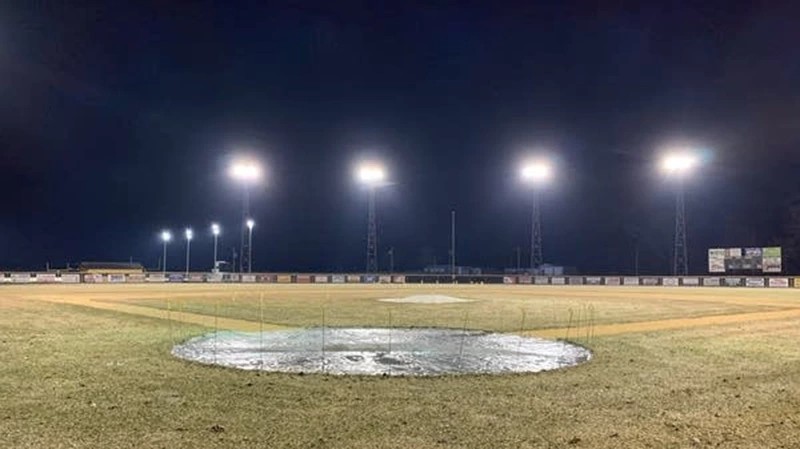
If you've ever watched a night game or seen a stadium glow from miles away, you know lighting is everything. It doesn't just make the pitch visible-it ensures players can perform at their best, referees can make accurate decisions, and fans in the stands (or at home) can experience every moment clearly.
Lighting standards are strict. Governing bodies like FIFA, UEFA, and the NBA have set requirements for illuminance (lux levels), color rendering, and uniformity. For example:
- Training fields: 500–750 lux
- National-level matches: 1000–1500 lux
- HD and 4K broadcasting: 2000–2500 lux
Reaching these levels consistently across a massive playing field-sometimes over 100m long-requires advanced technology. That's where LED lighting is changing the game.
From Metal Halide to LEDs: A Shift in Stadium Lighting
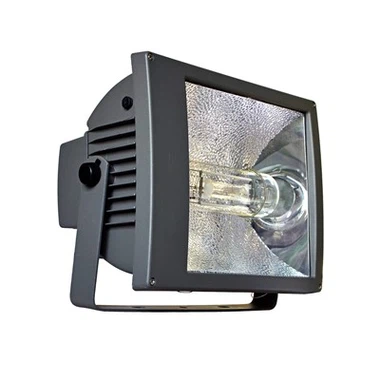
For decades, stadiums relied on metal halide floodlights. These giants were known for brightness, but they had serious drawbacks:
Warm-up times: Up to 15 minutes to reach full brightness.
High energy use: Each fixture was typically 2000 watts or more.
Shorter lifespan: Around 15,000 hours before replacement.
Maintenance burden: Frequent bulb changes require cranes and downtime.
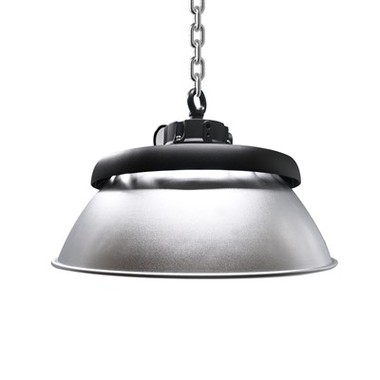
Then came LED stadium lights. These lights combine efficiency, instant-on capability, and longevity, making them a practical replacement. Today, almost every new stadium project specifies LEDs from the start.
Technical Comparison: Metal Halide vs. LED
Here's a straightforward comparison:
| Feature | Metal Halide Lights | LED Stadium Lights |
| Typical Wattage | ~2000W per fixture | 600–1200W per fixture |
| Luminous Efficacy | ~100 lumens/W | 130–180 lumens/W |
| Total Output | ~100,000 lumens | 100,000–150,000 lumens |
| Warm-up Time | 10–15 minutes | Instant (0 sec) |
| Lifespan | 12,000–15,000 hours | 70,000–100,000 hours |
| Maintenance | High | Low |
| Energy Consumption | Baseline | 50–70% less |
Key takeaway: LEDs provide more light per watt, last 5–7 times longer, and cut energy bills nearly in half.
Why LEDs are Winning the Game
Beyond the table, let's break down the technical benefits in plain terms:
Brightness & Uniformity: LED arrays distribute light evenly, avoiding "hot spots" and dark corners common with older systems.
Color Rendering Index (CRI): LEDs often reach CRI 80–90+, making colors pop naturally. This is crucial for fans watching on TV or streaming in 4K.
Flicker-Free Technology: Old lamps sometimes flickered under slow-motion cameras. LEDs stay rock-solid, perfect for HD replay.
Instant-On: No waiting 15 minutes for lights to "warm up"-LEDs hit full brightness instantly.
Smart Controls: Many LED systems can dim, change colors, or sync to music, creating stunning fan experiences.
Real-World Case Studies
Allianz Arena (Munich, Germany)
- Retrofit in 2015 replaced over 300 metal halide fixtures with LEDs.
- Energy consumption dropped by 60%.
- LEDs allowed multi-color façade lighting, turning the stadium into a city landmark.
Hard Rock Stadium (Miami, USA)
- Switched to LEDs ahead of Super Bowl LIV (2020).
- Achieved NFL broadcast compliance with flicker-free, ultra-bright lights.
- Estimated 45% reduction in energy use.
Tokyo Olympic Stadium (Japan)
- Built for the 2020 Olympics with over 1,400 LED floodlights.
- Each fixture around 1000W, optimized for 4K broadcasting.
- LEDs reduced long-term maintenance, a huge plus for an international venue.
Wembley Stadium (London, UK)
- Upgrade to LEDs completed in 2017.
- CRI improved significantly, making broadcasts clearer for millions worldwide.
- Enhanced lighting uniformity boosted both player performance and fan viewing.
Cost Analysis & ROI
Installing LEDs isn't cheap. A full retrofit for a large stadium can cost anywhere from $2 million to $10 million depending on size and complexity. But let's look at the return:
Energy savings: 50–70% lower consumption.
Maintenance savings: Fewer replacements, reduced crane/labor costs
Payback period: Most stadiums see ROI within 5–7 years.
Example Calculation (Mid-size Stadium)
- Old metal halide system: 1,200 fixtures × 2000W = 2.4 MW total.
- New LED system: 1,200 fixtures × 1000W = 1.2 MW total.
- Energy saved annually: ~1.2 million kWh.
- At $0.12/kWh → $144,000 saved per year.
- Add maintenance savings (~$50,000 annually).
- Total annual savings: ~$200,000.
- Payback: ~6 years.
The Future of LED Stadium Lighting
The technology is evolving fast. Some trends to watch:
Smart Stadiums: IoT-enabled lighting systems that can be controlled remotely or even respond to crowd activity.
Dynamic Entertainment: Light shows synchronized with music, enhancing the fan experience.
Sustainability Goals: Many stadiums use LEDs to cut carbon emissions and achieve green certifications.
Laser & Hybrid Systems: Experimental lighting options aiming for even higher efficiency in the future.
For now, LEDs are the undisputed champion-but innovation won't stop here.
FAQ
Q: Are all stadiums LED now?
A: Not all, but most new builds and major renovations use LEDs. Older venues are gradually retrofitting.
Q: How long do LED stadium lights last?
A: 70,000–100,000 hours, depending on brand and usage. That's 5–7 times longer than metal halide.
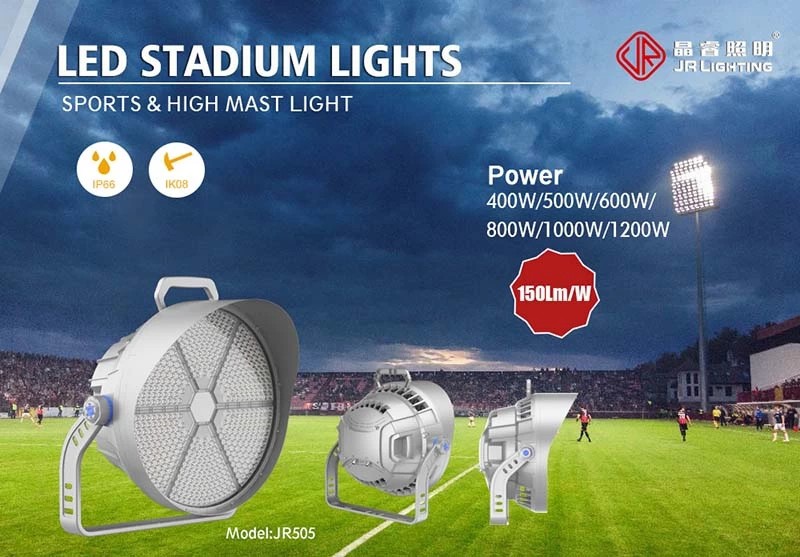
Q: How bright are LED stadium lights(https://www.jr-lighting.com/light-fixture/led-stadium-lights/)?
A: Each fixture can output 100,000–150,000 lumens, meeting FIFA/UEFA broadcast standards.
Q: What's the average cost of switching?
A: Anywhere from $1M for smaller arenas to $10M+ for large stadiums.
Q: Do LEDs improve the fan experience?
A: Yes. With higher CRI, no flicker, and the ability to add light shows, LEDs boost both live and TV experiences.
Key Takeaway
So, are stadium lights LED? For the majority of modern venues, yes-and for good reason. From Allianz Arena's glowing façade to Tokyo's Olympic Stadium built for 4K broadcasts, LEDs are redefining how sports are played and watched.
They're not just brighter; they're smarter, greener, and more economical. The upfront investment may seem steep, but with long-term energy and maintenance savings, LEDs are proving to be the MVP of stadium infrastructure.
In short: the future of stadium lighting is here, and it's LED.