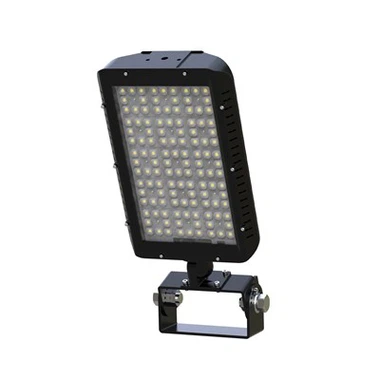

Top 5 LED Sport Court Lighting Solutions in 2025 | Bright, Durable & Energy-Efficient
Sep 05, 2025
Explore the best LED sport court lighting systems from JR Lighting, Musco, Cree, Philips, and Ephesus. Compare specs, pricing, and real-world case studies to find the perfect lighting for your tennis, basketball, or multi-sport court.
Looking for the perfect sport court lighting solution? With LEDs leading the way in 2025, you'll want a system that's bright, energy-efficient, and durable enough to withstand years of play. Whether you're lighting up a home basketball court, a community tennis court, or a full-size stadium, the right LED system makes all the difference.
In this guide, we'll break down the Top 5 LED Sport Court Lighting Products, compare specs in a handy table, showcase real-life case studies, and help you decide which system is right for your space and budget.
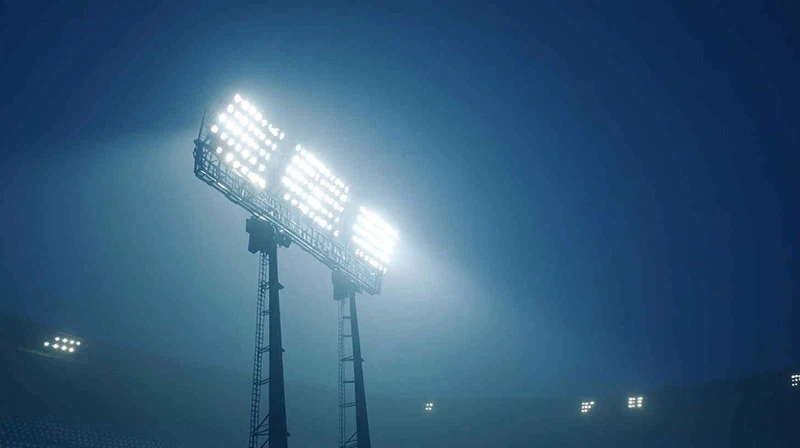
Why LED Sport Court Lighting Matters in 2025
LEDs aren't just a trend-they're now the industry standard. Compared to traditional halide lights, LEDs deliver:
- 70%+ energy savings
- Longer lifespan (50,000–100,000 hours vs. 5,000–10,000 for halides)
- Better visibility with higher CRI (color rendering index)
- Minimal maintenance since replacements are rare
- Smart controls like dimming, zoning, and instant on/off
For players, that means fewer shadows and better ball tracking. For owners, that means lower operating costs and a future-proof system.
Key Factors to Consider When Choosing LED Sport Court Lighting
Before diving into the top picks, let's quickly outline the main specs you should look at:
- Lumens Output: Determines brightness. A tennis or basketball court typically requires 20,000–50,000 lumens per fixture.
- Wattage Efficiency (lm/W): Higher = better energy savings.
- Lifespan (hours): Look for 50,000+ hours.
- CRI (Color Rendering Index): Higher CRI = more natural colors, usually 70–90 for sports.
- Warranty: Minimum 5 years is ideal.
- Installation & Flexibility: Can it retrofit existing poles, or does it require a new system?
Top 5 LED Sport Court Lighting Products
JR Lighting –LED sport Stadium court light JR505
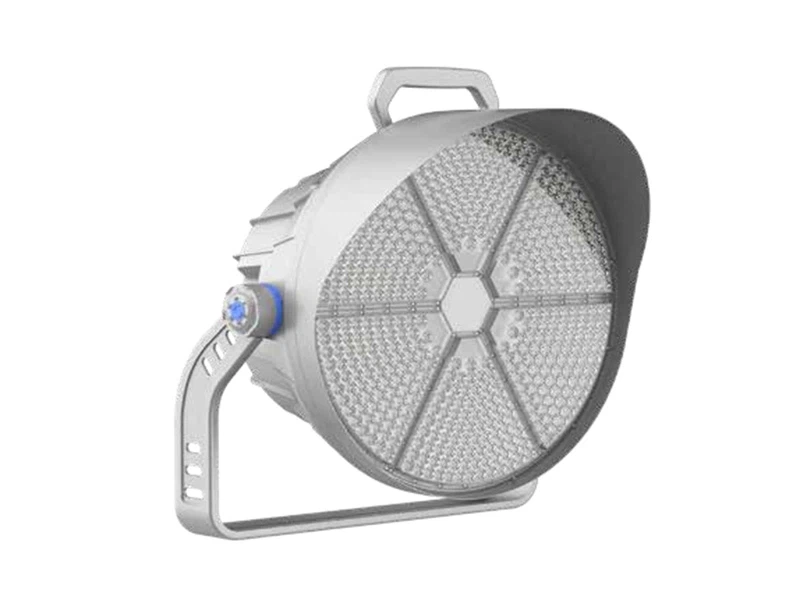
JR Lighting has built a reputation for delivering high-quality LED systems tailored to basketball, tennis, and multi-sport courts. Their LED sport Stadium court light JR505 is especially popular for mid-sized installations like schools and communities.
Key Features
- Output: 22,000–48,000 lumens
- Wattage: 400W–1200W
- CRI: 80+ (excellent ball visibility)
- Lifespan: 60,000+ hours
- Warranty: 5 years
Best For: School gyms, community basketball courts, residential tennis courts.
Case Example:
A high school in Texas installed LED sport Stadium court light across 4 basketball courts. Players reported 35% better visibility at night, and the school cut its energy bill by 62% compared to its old halide system.
Musco Lighting – TLC for LED™
Musco is a giant in the sports lighting industry, known for illuminating everything from Little League fields to the Olympics. Their TLC for LED™ series sets the bar for large-scale courts and arenas.
Key Features:
- Output: 30,000–70,000 lumens
- Wattage: 400W–900W
- CRI: 80–90
- Lifespan: 100,000+ hours
- Warranty: 10 years
- Price: $1,500–$3,000 per fixture
Best For: Professional-grade courts, stadiums, and large community arenas.
Case Example:
A city sports complex in California upgraded to Musco TLC LEDs. The switch reduced their annual lighting costs by $35,000 and eliminated constant bulb replacements.
Cree Lighting – OSQ High Output Series
Cree's OSQ High Output is a workhorse for outdoor sport courts. Known for its slim design and high efficiency, it's popular for tennis and pickleball courts where both brightness and uniformity matter.
Key Features:
- Output: 20,000–55,000 lumens
- Wattage: 150W–450W
- CRI: 70–80
- Lifespan: 100,000 hours
- Warranty: 10 years
- Price: $800–$1,200 per fixture
Best For: Outdoor tennis courts, pickleball courts, small multi-use courts.
Case Example:
A private tennis academy in Florida switched to Cree OSQ fixtures. Coaches noticed significant glare reduction, and maintenance dropped to nearly zero.
Ephesus Sports Lighting – LUMAVISION LED
Owned by Eaton, Ephesus has gained fame for lighting up NHL and NFL stadiums. But their LUMAVISION LED series is also ideal for mid-to-large sport courts.
Key Features:
- Output: 40,000–70,000 lumens
- Wattage: 400W–950W
- CRI: 90+ (broadcast quality)
- Lifespan: 70,000+ hours
- Warranty: 10 years
- Price: $1,200–$2,500 per fixture
Best For: Professional courts, televised games, college arenas.
Case Example:
An NCAA basketball court upgraded to LUMAVISION LEDs. The lighting met broadcast-level standards, allowing the school to host nationally televised games.
Philips – ArenaVision LED Gen3
Philips (Signify) is another global leader, and their ArenaVision Gen3 is built for multi-sport versatility. It's widely used in indoor arenas and multi-purpose courts.
Key Features:
- Output: 25,000–60,000 lumens
- Wattage: 300W–800W
- CRI: 80–90
- Lifespan: 80,000 hours
- Warranty: 7 years
- Price: $1,000–$1,800 per fixture
Best For: Indoor basketball, volleyball, or multi-use gyms.
Case Example:
A European indoor arena switched to Philips ArenaVision LEDs, cutting energy consumption by 55% while achieving uniform, glare-free lighting.
Comparison Table: Top 5 LED Sport Court Lights
| Brand & Model | Lumens Output | Wattage | CRI | Lifespan (hrs) | Warranty | Best Use Case |
| JR Lighting –jr 505 | 22,000–48,000 | 150W–400W | 80+ | 60,000+ | 5 yrs | Schools, community courts |
| Musco – TLC for LED™ | 30,000–70,000 | 400W–900W | 80–90 | 100,000+ | 10 yrs | Stadiums, large arenas |
| Cree – OSQ High Output | 20,000–55,000 | 150W–450W | 70–80 | 100,000 | 10 yrs | Outdoor tennis, pickleball |
| Ephesus – LUMAVISION | 40,000–70,000 | 400W–950W | 90+ | 70,000+ | 10 yrs | Broadcast-level courts |
| Philips – ArenaVision Gen3 | 25,000–60,000 | 300W–800W | 80–90 | 80,000 | 7 yrs | Indoor multi-sport arenas |
Real-World Benefits: Case Highlights
JR Lightingat a Texas High School→62% energy savings, 35% visibility improvement.
Musco in a California Sports Complex→ $35,000 annual savings, better reliability.
Cree at a Florida Tennis Academy→ Reduced glare, better ball tracking.
Ephesus at an NCAA Court→ Broadcast-ready lighting for televised games.
Philips in a European Arena→ 55% energy reduction, uniform coverage.
Buyer's Guide: How to Choose the Right LED Sport Court Lighting
For Budget-Friendly Projects: JR Lighting CourtLED Pro Series is your best bet.
For Large Outdoor Courts/Stadiums: Musco TLC for LED™ dominates.
For Tennis & Pickleball: Cree OSQ balances efficiency with uniform coverage.
For Televised Matches: Ephesus LUMAVISION provides broadcast-quality light.
For Indoor Multi-Sport Arenas: Philips ArenaVision Gen3 is versatile and reliable.
Pro Tip: Always consider pole height, spacing, and beam angle to maximize uniformity. A professional lighting layout is worth the investment.
FAQs about Sport Court Lighting
Q: How long do LED sport court lights last?
A: Most LEDs last 50,000–100,000 hours, meaning 10–20 years of typical use.
Q: Can LEDs replace existing metal halide lights?
A: Yes, most modern LED systems can retrofit into existing poles.
Q: What's the average cost to light a full-size basketball court?
A: It can range from $12,000–$40,000, depending on the brand and level of lighting required.
Q: Do LEDs reduce glare for players?
A: Yes, premium LEDs like Cree OSQ and Ephesus LUMAVISION are designed with glare-control optics.
Q: Do I need professional installation?
A: or small courts, some systems are DIY-friendly, but for stadium or school projects, professional installation ensures proper light distribution.
Wrapping It Up
The right LED sport court lighting doesn't just brighten the game-it transforms it. From JR Lighting's LED sport Stadium court light to Musco's world-class TLC system, every option on this list serves a different need.
If you're lighting a community or school court, JR Lighting and Cree are solid picks. For big arenas, Musco and Ephesus are unmatched. And for indoor versatility, Philips ArenaVision is tough to beat.
One thing's for sure: with LEDs, you'll get brighter play, lower costs, and happier athletes.