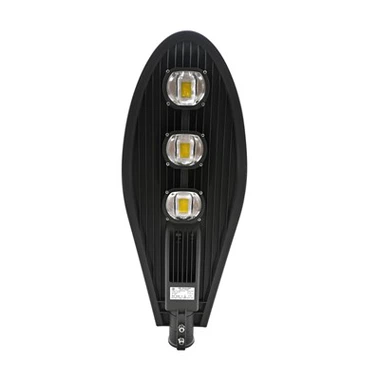

Arena Lighting for Sports: Case Studies, Data & Top 3 Products
Sep 11, 2025
Explore the ultimate guide to sports arena lighting-discover key design principles, real case studies, energy data, and our top 3 arena lighting products to boost performance and fan experience.
Lighting in sports arenas does more than just brighten the field-it drives athlete performance, enhances the fan experience, and ensures top-quality broadcasts. Choosing the right arena lighting system is about balancing visibility, energy savings, and long-term maintenance. In this guide, we'll walk you through the essentials of sports arena lighting, review real-world case studies, share key data, and recommend the top 3 lighting products leading the market today.
Why Sports Arena Lighting Matters
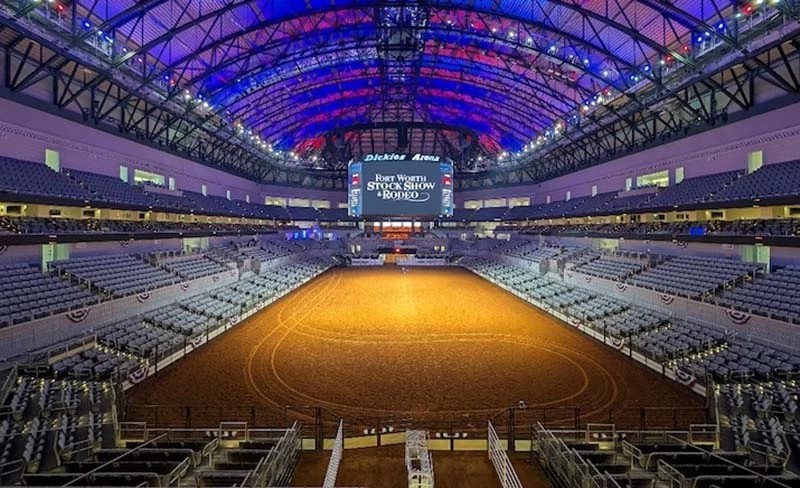
When fans step into a stadium, they expect to feel the buzz-not just from the crowd, but also from the perfectly lit stage. Proper arena lighting ensures:
Athlete performance: Bright, uniform light reduces shadows and glare, giving athletes the visual clarity they need.
Safety: Well-lit arenas lower the risk of injuries during fast-paced games.
Fan experience: Whether in the stands or watching on TV, spectators enjoy the game without straining their eyes.
Broadcast quality: Modern sports broadcasts require ultra-high-definition lighting standards (up to 2000 lux for 4K/8K).
Cost efficiency: With LED lighting, arenas can save up to 70% on energy bills compared to old halogen systems.
Data: Traditional vs. LED Sports Arena Lighting
Here's a quick side-by-side comparison of traditional HID/halogen lighting versus modern LED systems:
| Feature | Traditional HID/Halogen | LED Arena Lighting |
| Lifespan | 8,000 – 15,000 hours | 50,000 – 100,000 hours |
| Energy Consumption | High (1000W–2000W per fixture) | 50–70% lower energy use |
| Warm-Up Time | 10–15 minutes | Instant-on |
| Maintenance Cost | Frequent lamp replacement | Minimal (long life) |
| Light Quality | Flicker issues, uneven | Uniform, flicker-free |
| Broadcast Standard | Limited | 4K/8K ready |
On average, an arena switching from halogen to LED saves $200,000–$500,000 per year in energy and maintenance.
Real-World Case Studies
1. NBA Arena Upgrade – Golden State Warriors, Chase Center (San Francisco)
- Old setup: Metal halide lamps, inconsistent brightness.
- Upgrade: Installed JR Lighting LEDs.
- Results: 60% energy savings, brighter and uniform lighting, enhanced TV broadcast quality.
2. NFL Stadium – Hard Rock Stadium (Miami Dolphins)
- Solution: Adopted Musco TLC for LED™ system.
- Results: Reduced operating costs by ~$400,000 annually, met NFL and broadcast lighting standards, improved fan atmosphere during night games.
3. University Sports Complex
- Budget constraints: Chose Cree OSQ High Output Series.
- Results: Affordable upgrade, improved lighting for basketball and volleyball, 55% energy savings.
Key Design Considerations for Sports Arena Lighting
When planning an upgrade, here's what facility managers need to consider:
Lux Levels
- Training facilities: 500–750 lux
- Professional basketball/indoor arenas: 1000–1500 lux
- Major televised events: 2000+ lux
Uniformity Ratio (U1)
- Ensures even brightness across the entire court or field.
- Ideal ratio: 0.6–0.7
Glare Control
- Athletes can't perform if lights are blinding. Proper fixtures reduce glare using shielding and angles.
Energy Efficiency
- Modern LEDs cut energy bills in half, sometimes more.
Smart Control Systems
- Dimming, zoning, and color-changing features for halftime shows and concerts.
Top 3 Arena Lighting Products for Sports
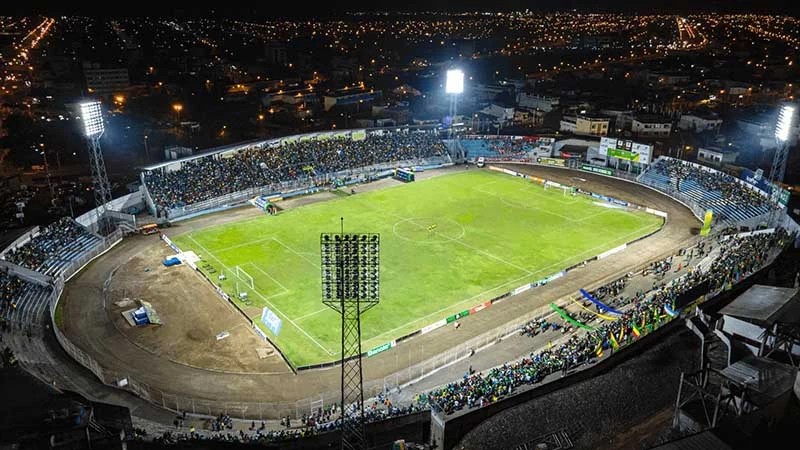
Here's our pick of the best real-world arena lighting systems:
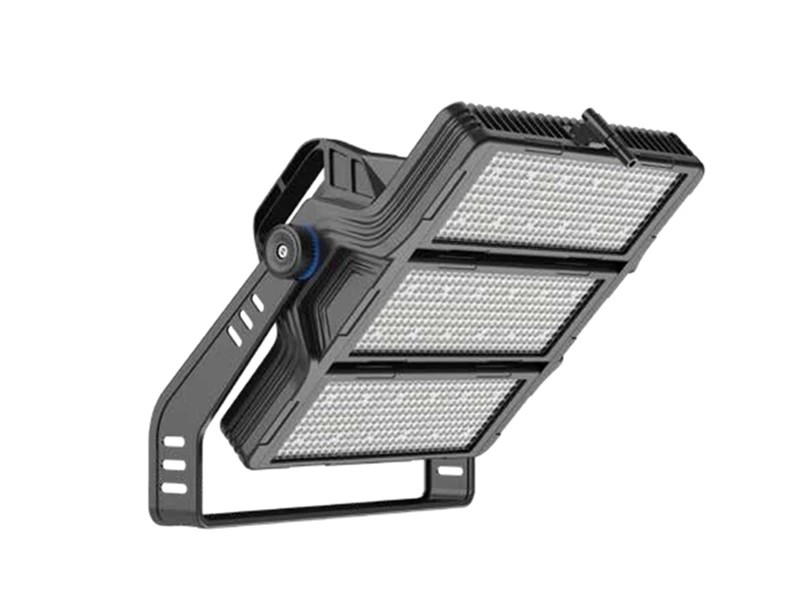
Jr lighting LED stadium Floodlights
Used in: FIFA World Cup stadiums, NBA arenas.
Specs: Up to 2000 lux, flicker-free, HDTV ready.
Pros: Exceptional broadcast quality, uniformity, brand reliability.
Cons: Higher upfront investment.
Best for: Elite professional sports arenas with global broadcasts.
Musco TLC for LED™ System
Used in: NFL stadiums, MLB ballparks.
Specs: Integrated system with precise glare control, energy monitoring.
Pros: Long-term energy savings, great glare reduction, proven for outdoor sports.
Cons: Requires full-system integration (not just fixture replacement).
Best for: Large outdoor stadiums and multipurpose arenas.
Cree OSQ High Output Series
Used in: University and mid-level sports facilities.
Specs: Up to 66,000 lumens, modular design.
Pros: Budget-friendly, easy retrofit, solid performance.
Cons: Not as advanced for broadcast as Philips/Musco.
Best for: Smaller arenas, practice facilities, budget-conscious upgrades.
Future Trends in Sports Arena Lighting
Smart IoT Lighting: Real-time monitoring, automated dimming.
Dynamic RGB Systems: Light shows and fan engagement.
Ultra-Sustainable LEDs: Lower carbon footprint, recyclable components.
Sports lighting is no longer just about visibility-it's about creating an atmosphere, reducing costs, and supporting sustainability goals.
Key Takeaways
If you're managing a sports arena, here's the playbook:
Switch to LEDs - It pays back fast (within 3–5 years).
Match lux levels to your sport - Don't over or under light.
Think long-term - The right system cuts maintenance headaches.
Choose the right product - Philips for broadcast arenas, Musco for large stadiums, Cree for affordable upgrades.
FAQ
Q: How many lux are required for a professional basketball court?
A: Typically 1000–1500 lux for games, and 2000+ lux for HDTV broadcast.
Q: How much can LED save compared to halogen lights?
A: Around 50–70% energy savings, plus reduced maintenance costs.
Q: Can LEDs handle halftime light shows?
A: Yes-modern systems like Musco TLC and Philips ArenaVision have dimming and RGB options.
Q: What's the average payback period after switching to LEDs?
A: Most arenas recover costs in 3–5 years.
Quick Reference: Sports Arena Lighting Guide
| Sport / Arena Type | Recommended Lux Levels | Best Product Choice | Why |
| Basketball (Professional) | 1000–1500 lux (2000+ for broadcast) | Jr lighting stadium LED | Top-tier HDTV quality, uniform lighting |
| Football / Outdoor Stadiums | 1000–2000 lux | Musco TLC for LED™ | Excellent glare control, energy monitoring |
| University / Mid-Level Arenas | 500–1000 lux | Cree OSQ High Output Series | Budget-friendly, easy retrofit |
| Training Facilities | 500–750 lux | Cree OSQ High Output Series | Solid performance, cost-effective |
| Multi-Purpose Arenas (Concerts + Sports) | 1500–2000 lux with RGB options | Jr lighting stadium LED | Flexible lighting, dynamic fan experience |
Cost-Saving Projection Example (5-Year)
Here's a realistic example of how switching from traditional HID/halogen arena lighting to LED impacts costs. Numbers are illustrative only-you should replace them with your actual facility's parameters (lamp count, hours of use, electricity price, installation cost).
Assumptions (Example)
- Total fixtures: 200
- Traditional HID fixture wattage: 1,500 W (1.5 kW)
- LED replacement wattage: 600 W (0.6 kW) → ~60% energy reduction
- Annual operating hours: 1,000 hours/year
- Electricity cost: $0.12 / kWh
- Traditional lamp maintenance: $200 / fixture/year
- LED maintenance: $50 / fixture/year
- LED purchase cost per fixture: $2,000
- Installation per fixture: $200
- Total LED upgrade investment: (2,000 + 200) × 200 = $440,000
Step 1: Energy Consumption & Cost
Traditional HID
- Per fixture: 1.5 kW × 1,000 h = 1,500 kWh/year
- Total: 1,500 × 200 = 300,000 kWh/year
- Annual cost = 300,000 × $0.12 = $36,000/year
LED
- Per fixture: 0.6 kW × 1,000 h = 600 kWh/year
- Total: 600 × 200 = 120,000 kWh/year
- Annual cost = 120,000 × $0.12 = $14,400/year
- Annual Energy Savings = $21,600
Step 2: Maintenance Costs
Traditional HID
- $200 × 200 fixtures = $40,000/year
LED
- $50 × 200 fixtures = $10,000/year
- Annual Maintenance Savings = $30,000
Step 3: Total Annual Savings
- $21,600 (energy) + $30,000 (maintenance) = $51,600/yea
Step 4: 5-Year Projection
| Year | Annual Savings | Cumulative Net (after $440k investment) |
| 0 | - | −$440,000 (initial investment) |
| 1 | $51,600 | −$388,400 |
| 2 | $51,600 | −$336,800 |
| 3 | $51,600 | −$285,200 |
| 4 | $51,600 | −$233,600 |
| 5 | $51,600 | −$182,000 |
Break-even point: ~8.5 years
- Sensitivity Scenarios
A. With 30% Subsidy (Government or Vendor Support)
- Investment = $440,000 × 0.7 =$308,000
- Break-even = 308,000 ÷ 51,600 ≈6 years
B. If Electricity Costs Rise (to $0.20/kWh)
- Annual energy savings = $36,000
- Total annual savings = $66,000
- Break-even = 440,000 ÷ 66,000 ≈ 6.7 years
Quick Takeaways for Arena Managers
Energy + maintenance savings are real - even in conservative estimates.
Payback period averages 6 – 9 years, faster with subsidies or higher energy rates.
Government and utility rebates can reduce investment significantly.
Smart controls (dimming, zoning, motion sensors) can further boost annual savings by 10–25%.
Long-term, LEDs extend fixture life and reduce headaches for facility managers.
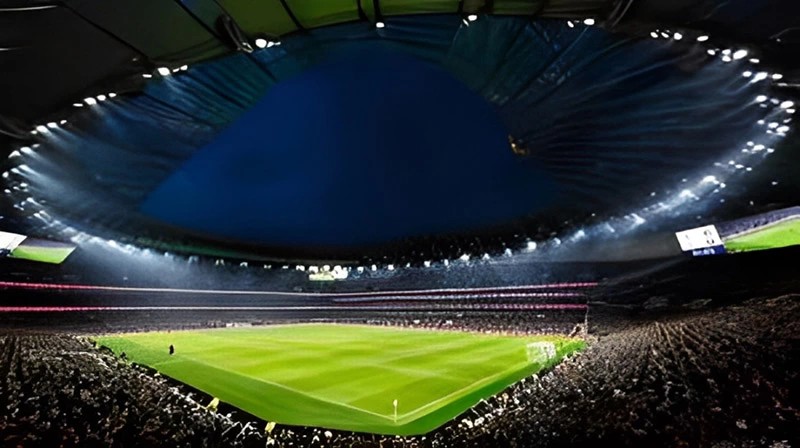
When it comes to sports arenas, lighting is no longer just about turning night into day-it's about creating an environment where athletes can perform at their peak, fans feel fully immersed, and broadcasters deliver flawless coverage. From real-world case studies to cost-saving projections, the message is clear: LED arena lighting is the winning play. With solutions like JR Lighting for top-tier broadcasts, Musco TLC for large-scale stadiums, and Cree OSQ for budget-friendly upgrades, every arena can find a system that balances performance with efficiency. And while the upfront investment may seem steep, the long-term savings in energy and maintenance make the switch a smart financial move-especially as new subsidies and smart lighting technologies keep pushing ROI timelines shorter. In short, upgrading your arena lighting isn't just a facility improvement-it's an investment in performance, safety, and unforgettable fan experiences.