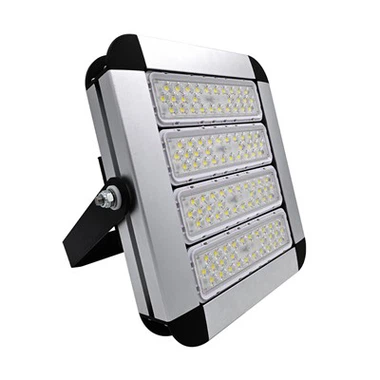

Industrial LED Flood Lights: Driving Efficiency in Modern Ports
Jun 12, 2026
Introduction
As international commerce continues to boom, ports have solidified their status as vital, round-the-clock hubs for global freight and trade. In these sprawling, high-stakes environments, operational efficiency and uncompromising safety are paramount.
Among the critical infrastructure supporting these facilities, lighting systems play a foundational role. They directly impact the quality of complex cargo operations, worker safety, and environmental compliance. Recognizing these demands, modern commercial facilities are moving away from legacy systems to embrace advanced, practical, and ruggedized LED port lighting technologies.
The Urgency of Port Lighting Transformation in the Sustainable Commerce Era
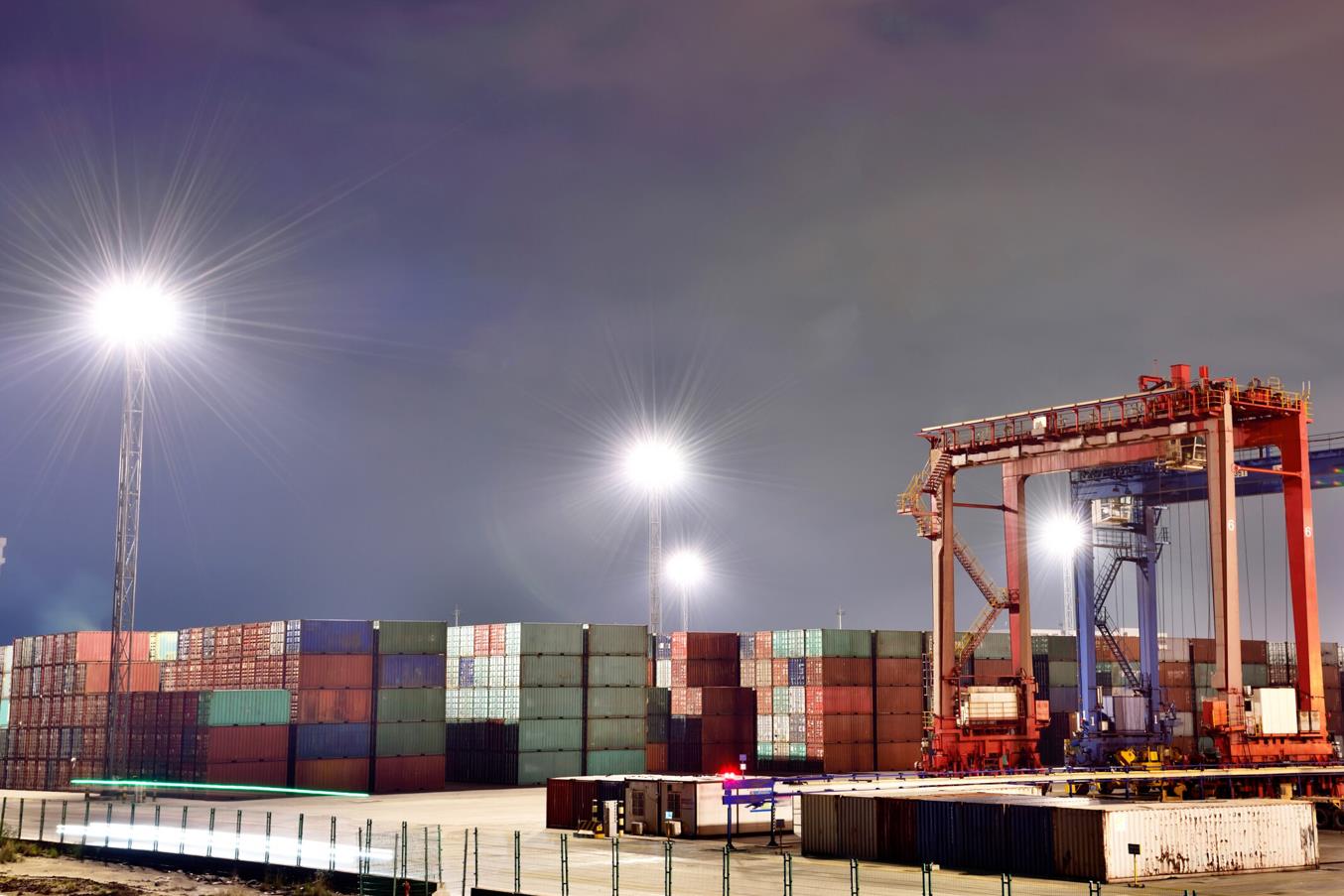
Operating a major port comes with massive energy demands and stringent safety liabilities. Traditional high-pressure sodium and metal halide fixtures, long used in high-mast applications, are increasingly unfit for modern logistical needs. They draw excessive power, degrade rapidly in coastal weather, and produce a harsh glare that compromises worker safety.
Furthermore, industrial sectors worldwide face increasing pressure to curb energy consumption and reduce their carbon footprints. Ports are heavy energy consumers, making efficiency upgrades an operational necessity rather than a luxury. Transitioning to high-performance LED solutions directly addresses these challenges by slashing energy overhead, improving illumination quality, and ensuring compliance with global environmental standards.
Core Logic: How JR Lighting High-Efficiency Fixtures Drive Port Upgrades
-
Extreme Energy Savings: Cutting Operational Costs at the Source
High-efficiency industrial LED luminaires fundamentally alter the economics of port management by maximizing lumens per watt. Legacy industrial fixtures waste enormous amounts of power via heat dissipation. In contrast, advanced LED high-mast and floodlight series leverage superior optical engineering to convert electricity directly into targeted, high-output light.
With system luminous efficiencies reaching up to 180 lm/W, the economic impact is immediate. For example, a major port in the United States faced steep annual utility bills due to legacy lighting. After implementing an engineered LED lighting solution, the port cut its lighting energy consumption by 50%. This upgrade saves more than 1 million RMB (over $140,000 USD) in electricity costs annually, substantially driving down operating expenses while shrinking the facility's carbon footprint.
-
Long Lifespan & Low Maintenance: Withstanding Harsh Coastal Environments
Port lighting must endure some of the most punishing outdoor conditions on Earth, including persistent salt spray, heavy machinery vibrations, and severe coastal weather. Standard industrial fixtures fail prematurely in these settings, leading to frequent, hazardous, and costly replacement cycles.
Engineered port LED modules deliver an operational lifespan ranging from 50,000 to 100,000 hours. Built with severe-duty corrosion resistance and robust ingress protection (IP65/IP66/IP67 ratings), these fixtures require virtually zero maintenance throughout their life cycle. By eliminating frequent lamp replacements, ports reduce material waste, minimize labor costs, and prevent operational downtime in high-traffic loading zones.
-
Intelligent Integration: Unlocking Deeper Efficiency Potential
Modern port management relies heavily on automation and data-driven infrastructure. Advanced LED systems naturally support smart control integration, including programmable dimming, motion sensors, and centralized cluster management.
Rather than running at full capacity during periods of low activity, these intelligent systems dynamically adapt brightness levels based on real-time operational workflows. A prominent port in Southeast Asia implemented this smart LED energy-saving infrastructure. By regulating illumination levels to match specific, shifting operational needs, the system successfully minimized energy waste and significantly optimized administrative management efficiency.
Beyond Emission Reduction: Operational Benefits of LED Upgrades
-
Enhanced Productivity & Maritime Safety
Visibility is the cornerstone of maritime logistics. In busy container terminals, high-mast lighting assemblies must throw powerful, uniform illumination across vast handling areas, such as docks and container yards.
At the Shanghai Luojing Port, the installation of high-mast LED infrastructure directly resolved chronic operational bottlenecks. Previously, subpar night visibility led to frequent handling errors and delays during evening shifts. The upgraded configuration delivers uniform, high-output illumination throughout the cargo zone, enabling ground crews to work with precision and speed. This shift has drastically minimized handling errors and expanded the port's total throughput capacity.
MARITIME LOGISTICS: ENHANCED PRODUCTIVITY & SAFETY METRICS |
|
| Port Requirement | Technical Specification & Impact |
| High Light Output | Delivers high lumens to illuminate vast container yards, eliminating evening bottlenecks. |
| Weatherproof Design | IP65/IP66/IP67 rated to seal out dust and moisture in punishing marine environments. |
| Corrosion Resistance | Specially treated with premium coatings to withstand highly corrosive coastal salt spray. |
| Long Service Life | 50,000 to 100,000 hours of operational life, drastically reducing routine maintenance overhead. |
| High Luminous Efficacy | ≥130 lm/W up to 180 lm/W maximizes energy efficiency and drives down utility expenses. |
| Safety & Precision | Uniform, high-output illumination minimizes handling errors and maximizes terminal throughput. |
-
Mitigating Blind Spots & Eliminating Glare
While high output is necessary, uncontrolled light introduces dangerous glare that blinds vessel pilots, heavy machinery operators, and truck drivers. Slimline LED floodlights solve this by incorporating precision beam angles tailored for narrow channels, jetties, and berths. This specialized distribution eliminates hazardous blind spots while preventing glare from bleeding into the flight paths or navigation channels of oncoming vessels.
A port operator in Southeast Asia originally struggled with legacy fixtures that produced severe glare, causing eye strain and fatigue among staff and compromising terminal safety and morale. Upgrading to precision-engineered floodlights completely resolved the glare issue. Crew members can now navigate channels safely, and the port has reported a measurable drop in transit accidents and workplace injuries.
Featured Industrial Lighting Solution
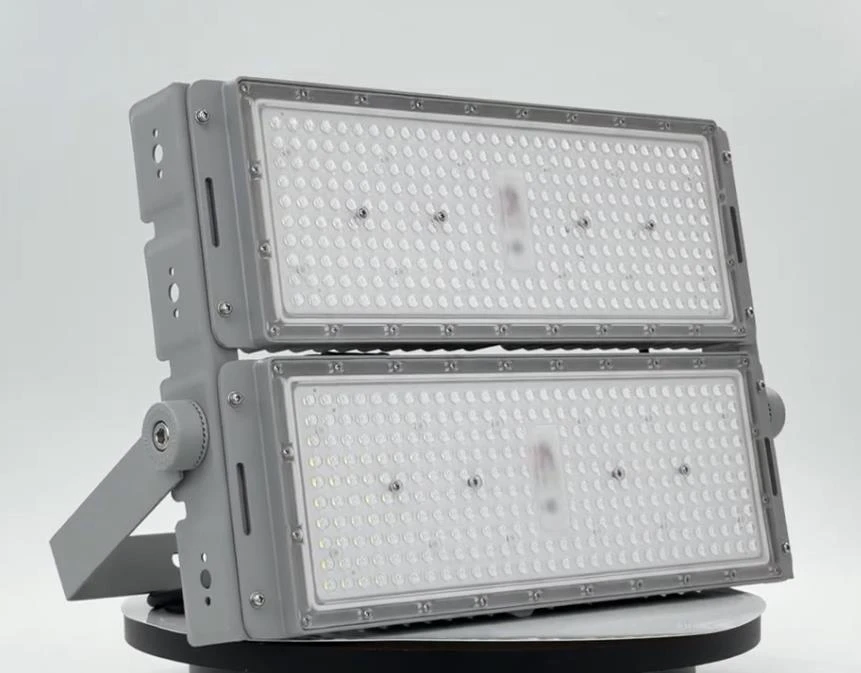
To meet these rigorous maritime demands, sourcing from an elite LED High Mast Lights Factory is essential. The JR328 Series Heavy-Duty Floodlight provides the ultimate answer to coastal vulnerability. Featuring an innovative air-duct heat-dissipation chassis and a ruggedized poly-silicone seal, these Outdoor Flood Light Fixtures Waterproof assemblies offer verified IP67 protection and an IK09 impact rating, ensuring they withstand severe weather and intense mechanical impacts.
Engineered with high-yield SMD 5050 chips delivering 160 Lm/W, this premier Waterproof LED Flood Lights series eliminates blind spots across docks and berths. Its snap-on lens matrix ensures structural integrity under intense vibrations from heavy machinery. Upgrade to this definitive IP67 Led Flood Light system to cut maintenance overhead and secure reliable, long-term maritime performance.
FAQs
Q1: What IP rating is required for marine and port LED floodlights?
A: Port environments require a minimum of IP65, but highly exposed areas like docks, berths, and crane walks demand IP66 or IP67 ratings. An IP67 rating ensures the fixture is completely dust-tight and capable of withstanding powerful high-pressure water jets and temporary submersion, protecting internal electronics from saltwater intrusion.
Q2: How do LED fixtures prevent glare for crane operators and incoming vessels?
A: Advanced port LEDs utilize specialized asymmetric optics and shielding to direct light precisely where it is needed, preventing stray light from scattering horizontally. This precise beam control ensures high visibility on container tops while protecting crane operators and ship captains from disabling glare.
Q3: Can industrial LED floodlights withstand high-vibration port equipment?
A: Yes. Heavy-duty port floodlights are engineered with robust, high-strength steel brackets, stainless-steel fasteners, and specialized internal damping. Premium models also feature screwless, snap-on lens structures and dual-layer silicone gaskets to prevent components from shaking loose or breaking seal integrity on moving gantry cranes.
Q4: What is the typical ROI period for a commercial port LED retrofit?
A: Most ports achieve a full return on investment (ROI) within 12 to 24 months. The payback period is accelerated by a 50% or greater reduction in electricity consumption, combined with the near-total elimination of maintenance costs, bucket truck rentals, and lamp replacement expenses over the fixture's 50,000+ hour lifespan.
Final Thoughts
Upgrading to high-efficiency LED high-mast and floodlighting systems represents a pivotal win for modern port authorities. It seamlessly bridges the gap between environmental responsibility and fiscal performance. By cutting power consumption in half, mitigating harsh marine corrosion, and maximizing visual precision for terminal crews, these rugged lighting solutions ensure that global trade moves safely and efficiently through the night. Jumping on these advanced systems early allows port operators to future-proof their infrastructure against changing environmental regulations while locking in lower operational overhead for years to come.