
LED Stadium Lights: The Ultimate Guide to Sports Venue Upgrades
Jun 15, 2026
Introduction
In modern sports facilities, effective illumination is an absolute game-changer. Over the past few years, stadium lighting design and sports luminaires have undergone a massive technological shift. Today, a growing number of community fields, industrial sports complexes, and professional arenas are replacing legacy systems with high-efficiency LED Stadium Lights. This widespread transition is driven by a need for significant cost savings, improved environmental sustainability, and superior operational efficiency.
Whether a facility manager is overseeing a major arena remodel or deploying flexible, Professional Sports Field Lights for temporary events, optimizing the lighting layout has become a primary focus. The challenge lies in balancing pristine, high-output illumination with responsible, eco-friendly design practices.

The Green Evolution: Why Modern Sports Venues Are Overhauling Their Lighting
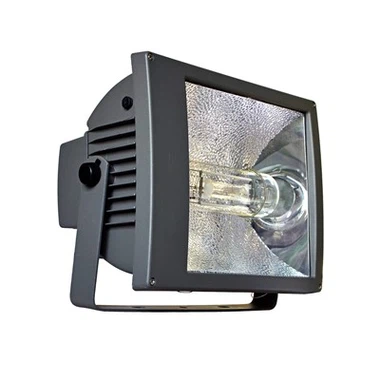
Much like the global industrial sector's push toward carbon neutrality, the sports and recreation industry faces mounting pressure to reduce its environmental footprint. Traditional sports lighting relies heavily on high-intensity discharge (HID) fixtures, such as metal halide lamps. While these legacy systems were once the industry standard, they are notoriously inefficient, converting a large portion of their energy input into waste heat rather than usable light.
Furthermore, conventional sports lamps often contain hazardous materials, such as mercury, which make safe disposal difficult and pose environmental risks. Because sports fields require massive amounts of power to achieve uniform coverage over expansive playing surfaces, sticking with outdated fixtures results in bloated utility bills and a needlessly large carbon footprint. As municipal regulations tighten and communities demand more sustainable infrastructure, green lighting transformations have transitioned from an optional upgrade to an operational necessity.
Core Logic: How High-Efficiency LED Stadium Lights Outperform Traditional Systems
-
Dramatic Energy Savings: Lowering Operational Costs
The primary financial and environmental argument for upgrading to a premium Led Football Stadium Lights setup is extreme energy efficiency. High-efficiency LEDs extract maximum lumen output from every watt of electricity consumed.
Consider a standard community sports field layout. Replacing a traditional 1000W metal halide fixture with a high-efficiency 400W-500W LED alternative reduces power consumption by more than half while delivering equal or superior lux levels on the turf. For large multi-field complexes operating for multiple hours per night, this reduction saves thousands of kilowatt-hours on monthly utility bills, directly reducing local carbon emissions.
-
Longevity and Low Maintenance: Minimizing Lifetime Overhead
When calculating the total financial impact of field illumination, facility managers must weigh both upfront investments and long-term operational costs. Legacy metal halide options have a short operational lifespan, typically degrading significantly after 10,000 to 20,000 hours of use. This degradation requires frequent, costly bulb and ballast replacements.
| Feature | LED Stadium Lights | Metal Halide Lights |
| Energy Efficiency | High | Moderate |
| Lifespan | 50,000+ Hours | 10,000 – 20,000 Hours |
| Light Quality | Brighter, highly uniform light | Warmer, uneven distribution |
| Maintenance Cost | Low | High (frequent bulb changes) |
Solid-state LED technology easily clears 50,000 hours of high-performance runtime before experiencing minor lumen depreciation. Because sports lighting fixtures are mounted high on specialized poles, servicing them requires renting expensive bucket trucks and hiring specialized labor. Extending the replacement cycle to over a decade virtually eliminates these recurring maintenance headaches.
-
Precise Optical Control: Eradicating Light Pollution and Glare
As residential neighborhoods expand around local sports parks, minimizing spill light and glare has become a critical design priority. Legacy HID lamps emit light omnidirectionally, spilling unwanted illumination into nearby backyards and creating severe sky glow.
Modern Led Sports Flood Lights feature advanced, integrated optics. These specialized lenses shape the beam, ensuring that light is directed precisely onto the playing surface where it belongs. By tightly controlling the beam angles, facility designers can achieve uniform field coverage while preventing light pollution from disturbing the surrounding neighborhood.
Beyond the Energy Bill: Performance and Broadcast Advantages of LED Upgrades
-
Optimizing Athlete Performance and Safety
Lighting quality directly shapes how athletes track the ball and communicate with teammates. Dim, flickering, or uneven illumination causes visual fatigue and creates dangerous blind spots on the playing surface.
High-quality LED systems deliver an exceptionally high Color Rendering Index (CRI), revealing colors accurately and naturally. This superior visual clarity allows players to react faster, reduces the risk of misjudged plays, and minimizes injuries. By eliminating harsh shadows across the pitch, players can perform with confidence under uniform, daylight-like conditions.
-
Meeting Elite Aesthetics and HD Broadcasting Standards
For professional arenas and collegiate venues hosting televised events, standard illumination is not enough. High-definition television cameras require exceptionally uniform light distribution and absolute color consistency across the entire field.
Older lighting systems often introduce an unnoticeable flicker to the human eye that completely ruins high-speed, slow-motion camera replays. Premium LED configurations deliver stable, flicker-free performance that meets strict digital broadcasting standards, ensuring a polished, professional viewing experience for fans both in the stands and at home.
Choosing the Right Equipment
Achieving peak performance requires matching your facility with industrial-grade hardware designed to withstand harsh outdoor conditions.

For venues struggling with poor field visibility, high energy bills, or frequent storm damage, partnering with an elite LED Stadium Lights Manufacturer is the definitive answer. The high-performance JR507 Series (400W–1200W) Sports floodlight solves these common field pain points seamlessly. Engineered with premium Lumileds/OSRAM chips, it delivers an ultra-bright 150Lm/W efficiency that slashes utility costs. Featuring a rugged ADC12 die-cast aluminum housing and 4mm high-strength tempered glass, this IK08-rated fixture resists rust, corrosion, and extreme weather. With advanced 1-10V/DALI2.0 smart dimming and multiple precise beam angles (10° to 90°), the JR507 ensures perfectly uniform illumination for any LED Sport Court Lights project while completely eliminating neighborhood spill light.
FAQs
Q1: What is the recommended mounting height for LED football field lights?
A: Mounting heights generally range from 40 to 100 feet depending on the competitive level of the venue. High school and community fields typically utilize 50 to 70-foot poles, while professional stadiums require towers exceeding 90 feet to position high-powered fixtures correctly, maximize uniformity, and eliminate blinding glare for players.
Q2: How do LED sports lights handle extreme outdoor weather conditions?
A: Top-tier LED sports luminaires are engineered with rugged, weather-sealed enclosures boasting IP66 waterproof ratings. They feature advanced thermal management systems to dissipate heat effectively in hot climates and utilize heavy-duty, anti-corrosive finishes to withstand high humidity, heavy rain, and coastal salt air without rusting.
Q3: Can modern LED sports lighting systems integrate with smart control networks?
A: Yes, modern LED luminaires integrate seamlessly with digital control protocols such as 1-10V dimming and DALI2.0 systems. This allows facility managers to adjust brightness levels dynamically, schedule automatic shut-offs, create zoned lighting layouts, and dim the lights down for practices or maintenance to maximize energy savings.
Q4: What is the average payback period when upgrading a sports facility to LED?
A: While upfront fixture costs are higher than legacy options, most commercial and municipal sports facilities achieve a full return on investment (ROI) within 2 to 4 years. This quick payback is driven by immediate 50% to 70% reductions in energy consumption combined with the total elimination of lamp replacement and maintenance expenses.
Final Thoughts
Upgrading to high-efficiency LED sports lighting is a strategic investment that pays dividends across every facet of facility management. By slashing utility consumption and eliminating recurring maintenance costs, venues can quickly recoup their initial investments while transitioning toward sustainable, future-proof operations. Simultaneously, the marked upgrade in visual quality protects athlete safety, optimizes competitive performance, and delivers a superior viewing experience for spectators. Investing in premium LED solutions is the most definitive way to elevate your sports venue for the long haul.