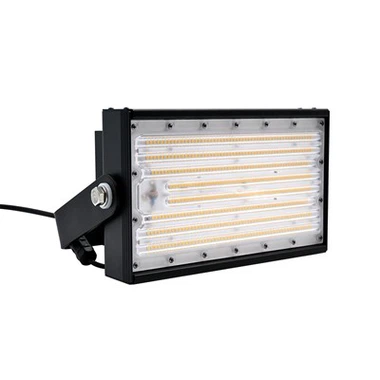

How powerful is a stadium light?
Dec 17, 2023

Introduction
Sport Stadium lighting plays a pivotal role in ensuring that sporting events and other activities are well-lit and visually appealing, regardless of the time of day. The power and efficiency of these lights determine not only the quality of the illumination but also the safety and experience of both players and spectators.
History of solar Stadium Lighting
The journey of solar stadium lighting began in the early 20th century with basic floodlights. As technology progressed, more sophisticated and powerful lighting systems were developed, enhancing the overall experience of night-time sports events.
Types of Stadium Lights
Stadium lights can be broadly categorized into Metal Halide lights and LED lights. Metal Halide lights, once popular, are now being increasingly replaced by LED lights due to their superior efficiency, longevity, and lower energy consumption.
Power and Lumen Output
The power of a sport stadium light is measured in lumens, which quantify the amount of visible light emitted. Stadium lights typically range from 50,000 to 200,000 lumens, depending on the specific requirements of the venue and the type of event being hosted.
Energy Consumption
While traditional Metal Halide lights consume significant amounts of energy, modern LED lights offer a more energy-efficient alternative. LEDs can reduce energy consumption by up to 70%, translating to substantial cost savings over time.
Light Distribution and Coverage
Achieving uniform light distribution across a stadium is crucial for minimizing shadows and ensuring consistent visibility. Advanced lighting systems use precise angling and strategically placed fixtures to achieve optimal coverage.

Color Temperature and Quality
Color temperature, measured in Kelvins (K), affects the visual quality of the lighting. Stadium lights typically have a color temperature between 4000K and 6500K, providing a bright, daylight-like quality that enhances visibility and color contrast.
Installation and Setup
The installation of stadium lights involves several key steps, including site assessment, design planning, and fixture installation. Proper setup ensures that the lights function effectively and cover the required area uniformly.
Maintenance and Lifespan
Regular maintenance is essential for the longevity and performance of stadium lights. LED lights, in particular, offer a longer lifespan and require less frequent maintenance compared to traditional lighting options.
Environmental Impact
Modern stadium lights, especially LEDs, are designed to be energy-efficient and environmentally friendly. They consume less power and have a lower carbon footprint, contributing to more sustainable sports facilities.
Technological Advancements
Technological innovations such as smart lighting systems and IoT integration are revolutionizing stadium lighting. These advancements allow for remote control, automated adjustments, and enhanced energy management.
Case Studies
Several stadiums worldwide have adopted advanced lighting systems, resulting in improved game quality and audience experience. These case studies demonstrate the tangible benefits of investing in modern lighting technology.
Cost Analysis
While the initial investment in advanced stadium lighting can be significant, the long-term savings in energy costs and maintenance make it a worthwhile expenditure. The economic benefits extend beyond cost savings, enhancing the venue's appeal and functionality.
Regulations and Standards
Stadium lighting must comply with various industry standards and regulations to ensure safety, performance, and environmental sustainability. Adhering to these guidelines is essential for legal and operational reasons.
Future Trends
The future of stadium lighting is poised to see further advancements in energy efficiency, smart technology, and eco-friendly solutions. Emerging trends indicate a shift towards even more sustainable and intelligent lighting systems.

Conclusion
The power of battery stadium lights is a crucial factor in the overall success of sporting events and other activities held in these venues. With advancements in technology, modern stadium lights offer superior performance, energy efficiency, and environmental benefits, enhancing the experience for players and spectators alike.
FAQs
What Are The Main Types Of Battery Stadium Lights?
The main types of stadium lights are Metal Halide lights and LED lights.
How Much Power Do Solar Stadium Lights Consume?
Power consumption varies, but LED lights significantly reduce energy usage compared to traditional Metal Halide lights.
What Is The Typical Lifespan Of A Sport Stadium Light?
LED lights can last up to 50,000 hours, while Metal Halide lights have a shorter lifespan.
How Are Sport Stadium Lights Installed?
Installation involves site assessment, design planning, and strategic fixture placement to ensure optimal coverage.
Why Are LED Lights Preferred Over Traditional Lights?
LED lights are preferred for their energy efficiency, longer lifespan, and lower maintenance requirements.