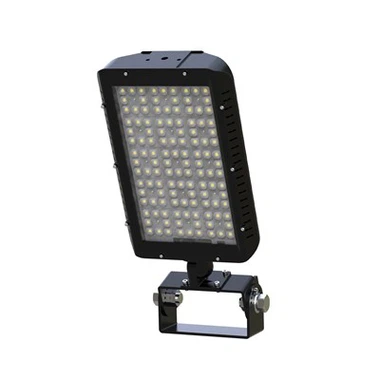

How to Pick the Right LED Garden Floodlights
Mar 24, 2026
Excerpt / Introduction:
Brilliant Garden floodlights (Post-Top Lights) make your yard safer and more functional after dark. They illuminate paths, highlight plants, and help keep driveways clear. LED floodlights are a popular choice because they last longer and consume less energy than older models. Here's what to look for before making a purchase.

Brightness: Lumens Matter More Than Watts
Brightness is measured in lumens. Watts only tell you how much power the light uses.
- 1,000 to 2,000 lumens: Works for small gardens, steps, or accent lighting. Uses about 15 to 25 watts.
- 2,000 to 4,000 lumens: Good for driveways, backyards, or medium spaces. Uses about 25 to 40 watts.
- 4,000 lumens and up: Best for large yards, parking areas, or security. Uses 40 watts or more.
Ignore the wattage number. Look at lumens to know how bright the light actually is.
Light Color: Warm, Cool, or Daylight
Light color affects how your space looks. It is measured in Kelvin (K).
- Warm white (2,700K to 3,000K): Soft yellow glow. Suit gardens, patios, and seating areas.
- Cool white (4,000K to 5,000K): Bright and clean. Works for driveways, walkways, and security.
- Daylight (5,500K to 6,500K): Very bright with a blue tint. Often used for large yards or commercial spaces.
For most home gardens, warm white or cool white are the usual picks.
Beam Angle: Wide or Narrow
Beam angle tells you how the light spreads.
- Narrow beam (15 to 45 degrees): Lights up a single spot. Good for trees, statues, or signs.
- Wide beam (60 to 120 degrees): Covers a larger area. Good for driveways, patios, or open yards.
Think about what you are lighting. A narrow beam works for accents. A wide beam works for general area coverage.
Weather Resistance: Check the IP Rating
Outdoor lights are exposed to rain, dust, and sun. Look for the IP rating on the label.
- IP65: Dust-tight and handles low-pressure water jets. Fine for most gardens.
- IP66: Handles stronger water jets. Good for areas with heavy rain.
- IP67: Can handle short submersion. Suitable for wet or flood-prone spots.
For regular garden use, IP65 or IP66 is usually enough.
Mounting: Where Will It Go?
MostLED floodlights come with a bracket. Think about where you will install it.
- Wall-mounted: Attaches to a house, garage, or fence.
- Ground-mounted: Sits on the ground or on a short stake.
- Pole-mounted: Goes on top of a pole for higher placement.
Make sure the bracket lets you adjust the angle. This helps you aim the light where it is needed.
Build Quality: Materials That Last
Outdoor lights should hold up over time.
- Aluminum housing: Light, rust-resistant, and handles heat well.
- Tempered glass lens: More durable than plastic. Resists cracking from the sun and weather.
Avoid lights with plastic housings if they will be in direct sunlight for long periods.
Lifespan and Energy Use
LED floodlights usually last between 30,000 and 50,000 hours. That means fewer replacements over time. They also use much less power than halogen or metal halide lights.
Check the listed lifespan on the product. A longer lifespan often means better build quality.
Extra Features: Sensors and Controls
Some floodlights come with added functions.
- Motion sensors: Turn on when movement is detected. Good for security and saving energy.
- Photocell sensors: automatically turn on at dusk and off at dawn.
- Smart controls: Connect to apps or voice assistants.
These features add convenience but also increase the upfront cost.
FAQs
1,How many lumens do I need for a garden flood light?
An outdoor floodlight with only a relatively low lumens output (700-1,500lm) will suffice for patios and driveways, while commercial spaces like car parks and small fields will obviously need high-powered floodlights that output many times that.
2,Is 3000K or 4000K better for outdoor lighting?
Stick to warmer tones (2500K-3000K) to enhance the inviting atmosphere. Using warm light in areas requiring precise visibility, such as pathways or security zones, can reduce lighting effectiveness. Cooler temperatures (4000K-5000K) provide brighter, clearer illumination for these purposes.
3,What is the best LED wattage for outdoor lighting?
Quick Wattage Guide for Outdoor Lights:
Pathway and Garden Accent Lights: 3-10 watts (LED) – Creates soft, welcoming ambiance.
Porch, Patio, and Driveway Lights: 10-40 watts (LED) – Provides comfortable, functional lighting.
Security and Floodlights: 40-80 watts (LED) – Delivers bright, protective illumination.
4,Is 2700K or 3000K better for landscape lighting?
A 2700K light will give foliage a beautiful, warm, and slightly golden appearance. A 3000K light tends to render colors more accurately, so greens will look crisper and flowers will appear closer to their true daylight hue.
Still Not Sure Which Light Fits Your Garden?
Every garden is different. The right choice depends on your space, what you want to light, and how much coverage you need.
If you have questions about brightness, mounting, or which model works best for your project, feel free to reach out.