


What is a public lighting system?
Jul 09, 2024
Public lighting systems are the lifeblood of urban landscapes, illuminating streets, parks, and public spaces to ensure safety, accessibility, and vitality after dark. Far beyond their basic function of shedding light, these systems play a pivotal role in shaping cityscapes, fostering community interaction, and promoting sustainable living. As technology evolves, so do these systems, integrating smart capabilities and energy-efficient designs that redefine their impact on urban development and community welfare.
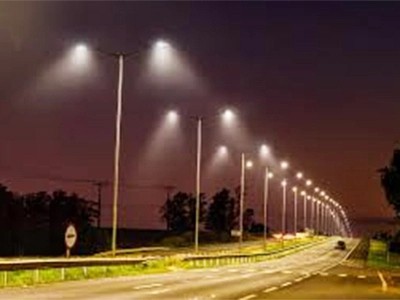
Components and Features of a Public Lighting System
At the heart of every public decorative high bay lighting lies a sophisticated infrastructure composed of several key components. Lighting Fixtures vary from traditional high-pressure sodium lamps to modern LED bulbs, each offering distinct illumination characteristics and efficiency levels. Poles and Supports secure these fixtures, designed to withstand environmental conditions while aesthetically blending with surroundings. JR Lighting's Control Systems have become increasingly intelligent, enabling remote management of lighting intensity, scheduling, and even emergency alerts. Energy Sources, whether grid-tied or incorporating renewable methods like solar panels, fuel these systems, reflecting a city's commitment to sustainability. Lastly, Maintenance Schedules ensure longevity and optimal performance, leveraging predictive analytics to anticipate repairs.
The Role of Public Lighting Systems in City Development
Public lighting with industrial high bay led lighting is instrumental in driving city development by enhancing Urban Safety through deterrence of criminal activities and facilitation of safe nighttime navigation. It also fosters Economic Growth by extending business hours and encouraging nighttime commerce. From a Planning Perspective, strategic lighting installations can accentuate architectural landmarks, transforming cities into visually appealing destinations that attract tourists and investments alike. Moreover, it supports Environmental Sustainability goals by adopting energy-efficient technologies, reducing light pollution, and integrating with smart city ecosystems.
How Modern Public Lighting Solutions are Making a Difference
Modern advancements are revolutionizing public lighting. Smart Lighting systems, enabled by IoT, allow for adaptive lighting based on real-time conditions, significantly reducing energy consumption. Integrated Sensors monitor traffic flow, air quality, and crowd behavior, providing data crucial for urban planning and emergency response. LED Technology, with its long lifespan and high efficiency, has become the standard, offering customizable color temperatures to enhance mood and ambiance. Additionally, JR Lighting's Decorative Lighting Installations not only illuminate but also serve as public art, fostering a sense of place and cultural identity.
The Importance of Well-Designed Public Lighting for Community Welfare
Well-designed public lighting goes beyond functionality to positively impact community welfare. It Promotes Social Interaction by creating safe and inviting environments for gatherings and outdoor activities, thereby combatting isolation. Health Considerations are integrated through minimizing glare and using light spectrums that align with human circadian rhythms, improving sleep quality and overall wellbeing. Furthermore, inclusive design principles ensure that lighting is accessible to all, including those with visual impairments, enhancing Equity and Inclusion within communities.,
Technology Driving the Future of Public Lighting Systems
The future of public lighting as well as led outdoor security lights is intertwined with ongoing technological innovations. Li-Fi (Light Fidelity), which uses light waves for high-speed data transmission, could transform streetlights into wireless communication hubs. Autonomous Maintenance Systems, driven by AI and robotics, promise proactive upkeep, reducing downtime and costs. Blockchain Technology might enable decentralized management of lighting grids, ensuring transparency and security in energy consumption tracking. Lastly, Integration with JR Lighting's Autonomous Vehicles will see streetlights equipped with sensors and transmitters to guide self-driving cars, furthering the smart city vision.
In conclusion, public lighting systems are integral to modern urban living, transcending mere visibility to shape safer, more vibrant, and sustainable communities. As technology pushes the boundaries of what's possible, these systems will continue to evolve, becoming smarter, greener, and more responsive to the dynamic needs of growing cities and their residents. By recognizing their potential and investing wisely, municipalities can illuminate a path towards a brighter, more connected, and inclusive urban future.


