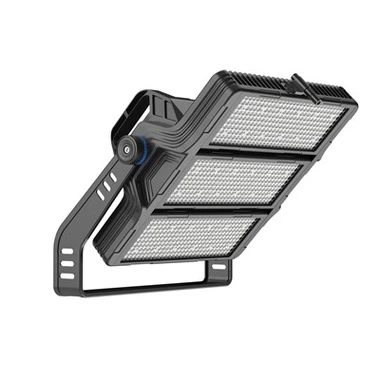

How Much Does It Cost to Install a Street Lighting?
Oct 12, 2024

Outdoor Street lighting plays a crucial role in enhancing safety and visibility on roads, parking lots, and public spaces. But if you're considering installing one, whether as part of a community project, for a business, or for residential purposes, you're probably wondering-how much does it actually cost to install a solar street light fixture?
The total cost of installing a street light can vary based on several factors such as the type of light, location, installation fees, and maintenance. Let's break it all down so you get a clear picture.
Types of Street Lights and Equipment Costs
The type of road solar light you choose has a significant impact on the overall cost. Street lighting options have evolved, with different technologies providing different benefits in terms of efficiency, durability, and energy use. Here's a look at the most common types:
LED lights are becoming the standard choice for many municipalities and businesses due to their energy efficiency and long lifespan. They require less maintenance and have lower electricity consumption, making them a cost-effective option in the long run.
- Cost per light: $500 to $1,500
b. High-Pressure Sodium (HPS) Street Lights
These traditional street lights are still in use, particularly in older infrastructure. They are cheaper upfront but less efficient compared to LED lights.
- Cost per light: $150 to $400
c. Solar-Powered Street Lights
While more expensive upfront, solar-powered street lights eliminate electricity costs and are more environmentally friendly. They are ideal for remote areas where running electrical lines would be too costly.
- Cost per light: $1,000 to $3,000
Installation Costs
Apart from the light fixture itself, installation comes with its own set of expenses. Installation costs can vary depending on the complexity of the project, labor rates, and site conditions. Typically, installation includes:
- Excavation and wiring: Running electrical wiring underground or across poles.
- Pole installation: Depending on the material (steel, aluminum, or concrete), poles can vary in price.
- Labor costs: Skilled electricians and workers are needed for proper setup and connection to the electrical grid (unless it's a solar-powered light).
Average installation cost: $1,000 to $3,000 per light.
Keep in mind that installation can become more expensive if you're working in an area with difficult terrain or heavy traffic that requires additional safety measures.
Electricity Costs
If you're using traditional electric-powered street lights, you'll need to account for ongoing electricity expenses. The cost of running a street light depends on the type of bulb, wattage, and how many hours the light is on each night.
- Average monthly electricity cost per street light: $8 to $15 (for LED lights)
- For High-Pressure Sodium lights: $15 to $30 per month (higher wattage bulbs)
One of the main reasons many municipalities are switching to LED lights is the significant reduction in energy costs over time. Solar-powered street lights, of course, have no ongoing electricity costs, but they require regular maintenance to ensure optimal performance.
Maintenance Costs
Like any other piece of infrastructure, street lights need regular maintenance to ensure they're functioning correctly. Maintenance typically includes:
- Bulb replacement: LED lights last much longer (up to 100,000 hours) compared to HPS lights, which may need to be replaced every few years.
- Cleaning: Dust and debris can reduce the effectiveness of street lights, especially in busy urban areas.
- Inspection: Regular checks for wiring issues, pole stability, and light fixture integrity.
Annual maintenance cost: $200 to $500 per light.
Solar-powered street lights, while free from electricity costs, may need their batteries replaced every 5 to 7 years, adding to the long-term maintenance expense.
Location and Permitting Fees
Where you install your street light also plays a role in determining costs. For instance, rural areas may require longer wiring runs or new poles, which can increase installation costs. Urban installations often require permits from local municipalities, which can add both time and expense to the project.
- Permit costs: $50 to $200 depending on local regulations.
- Location-based cost variations: Installing street lights in high-traffic areas may require additional safety measures, such as temporary road closures, which can increase labor costs.
Additional Costs: Poles, Foundations, and Other Equipment
Street lights aren't just about the bulbs. You'll need to consider the cost of poles, bases, and any additional wiring. Poles come in different materials, such as:
- Steel poles: $500 to $1,200
- Aluminum poles: $600 to $1,500
- Concrete poles: $700 to $2,000
Additionally, poles must be securely fixed to a foundation, which may require more excavation, concrete pouring, and anchoring.
Foundation costs: $500 to $1,000 per light.
Total Costs Overview
When you put all these factors together, the overall cost to install a single street light can range widely:
- Traditional (HPS) street light: $1,500 to $4,000
- LED street light: $2,000 to $6,000
- Solar-powered street light: $3,000 to $7,500
Are There Ways to Reduce Costs?
Yes! Here are a few ways you can lower the installation and operating costs of street lights:
1. Bulk purchasing: Buying multiple lights at once could get you discounts from manufacturers.
2. Grants and funding: Many cities and businesses can qualify for government grants aimed at improving infrastructure or reducing energy consumption.
3. Energy-efficient lights: Opting for LED or solar-powered lights can save you significant amounts on electricity and maintenance in the long run.
FAQs
1. How long does it take to install a street light?
The installation process usually takes 1 to 3 days, depending on site conditions and labor availability.
2. Can I install solar street lights in urban areas?
Yes, solar street lights work in urban areas, but you'll need to ensure they get enough sunlight to function properly.
3. What is the lifespan of a street light?
LED street lights can last up to 20 years, while HPS lights typically last around 5 to 7 years.
Wrapping Up: Is Installing Street Lights Worth the Investment?
The answer largely depends on your goals and budget. While street lights come with a considerable upfront cost, they provide significant safety benefits and, in the case of LED or solar options, can save money on energy and maintenance over time. Whether you're a city planner, a business owner, or just curious about how much it would take to light up a specific area, knowing the breakdown of costs can help you make an informed decision.